VAN VECHTEN, Carl. Spider Boy, A Scenario for a Moving Picture. New York: Alfred A. Knopf. 1928. 8vo. First edition. Publisher’s cream cloth lettered in gilt to the front board with gilt ruling to boards, in the quite fabulous dust jacket designed by Ronald McRae. With a small slip stating ‘from the collection of Carl Van Vechten’ loosely inserted, and from the library of Barry Humphries, with his bookplate designed by Roland Pym to front pastedown. The cloth clean and bright, the gilt a little dulled, the binding tight and square, with the publisher’s topstain still quite bright. The contents fine throughout with just a little toning throughout. The dust jacket unclipped ($2.50 net), some nibbles at the flap joints but remaining firmly together, a few other tiny chips and closed tears, light rubbing, but presenting much better than usually encountered.
The avant-gardist’s penultimate novel, a neo-decadent tale which follows the travails of Ambrose Deacon, a somewhat successful playwright pursued by Hollywood’s hungry hyenas to write one final, incredible script for an egomaniacal film-star, despite Deacon’s lack of Hollywood knowledge. In other words, a Jazz Age satire of the vapid vanity of Hollywood and its people. Published two years after his Harlem novel, Nigger Boy (1926)—which handed him both acclaim and disrepute—this unlike that novel sold poorly, purportedly since those interested in cinema had little interest in reading. It marked a change in Van Vechten’s career in whole—after his final novel, he focused on photography, opening a New York studio in 1932, and later capturing exceptional and now iconic snaps of Gertrude Stein, F. Scott, &c &c.
Ronald McRae was an important figure in the Toronto theatre scene. Though ‘a man of mystery’, he was an openly gay eccentric and a regular at 20s and 30s Drag Balls of New York, producing throughout these decades various designs for costume, stage, magazines, and a very small handful of dust jackets. Uncommon in such sharp condition and with ownership provenance.
VAN VECHTEN, Carl. Spider Boy, A Scenario for a Moving Picture. New York: Alfred A. Knopf. 1928. 8vo. First edition. Publisher’s cream cloth lettered in gilt to the front board with gilt ruling to boards, in the quite fabulous dust jacket designed by Ronald McRae. With a small slip stating ‘from the collection of Carl Van Vechten’ loosely inserted, and from the library of Barry Humphries, with his bookplate designed by Roland Pym to front pastedown. The cloth clean and bright, the gilt a little dulled, the binding tight and square, with the publisher’s topstain still quite bright. The contents fine throughout with just a little toning throughout. The dust jacket unclipped ($2.50 net), some nibbles at the flap joints but remaining firmly together, a few other tiny chips and closed tears, light rubbing, but presenting much better than usually encountered.
The avant-gardist’s penultimate novel, a neo-decadent tale which follows the travails of Ambrose Deacon, a somewhat successful playwright pursued by Hollywood’s hungry hyenas to write one final, incredible script for an egomaniacal film-star, despite Deacon’s lack of Hollywood knowledge. In other words, a Jazz Age satire of the vapid vanity of Hollywood and its people. Published two years after his Harlem novel, Nigger Boy (1926)—which handed him both acclaim and disrepute—this unlike that novel sold poorly, purportedly since those interested in cinema had little interest in reading. It marked a change in Van Vechten’s career in whole—after his final novel, he focused on photography, opening a New York studio in 1932, and later capturing exceptional and now iconic snaps of Gertrude Stein, F. Scott, &c &c.
Ronald McRae was an important figure in the Toronto theatre scene. Though ‘a man of mystery’, he was an openly gay eccentric and a regular at 20s and 30s Drag Balls of New York, producing throughout these decades various designs for costume, stage, magazines, and a very small handful of dust jackets. Uncommon in such sharp condition and with ownership provenance.

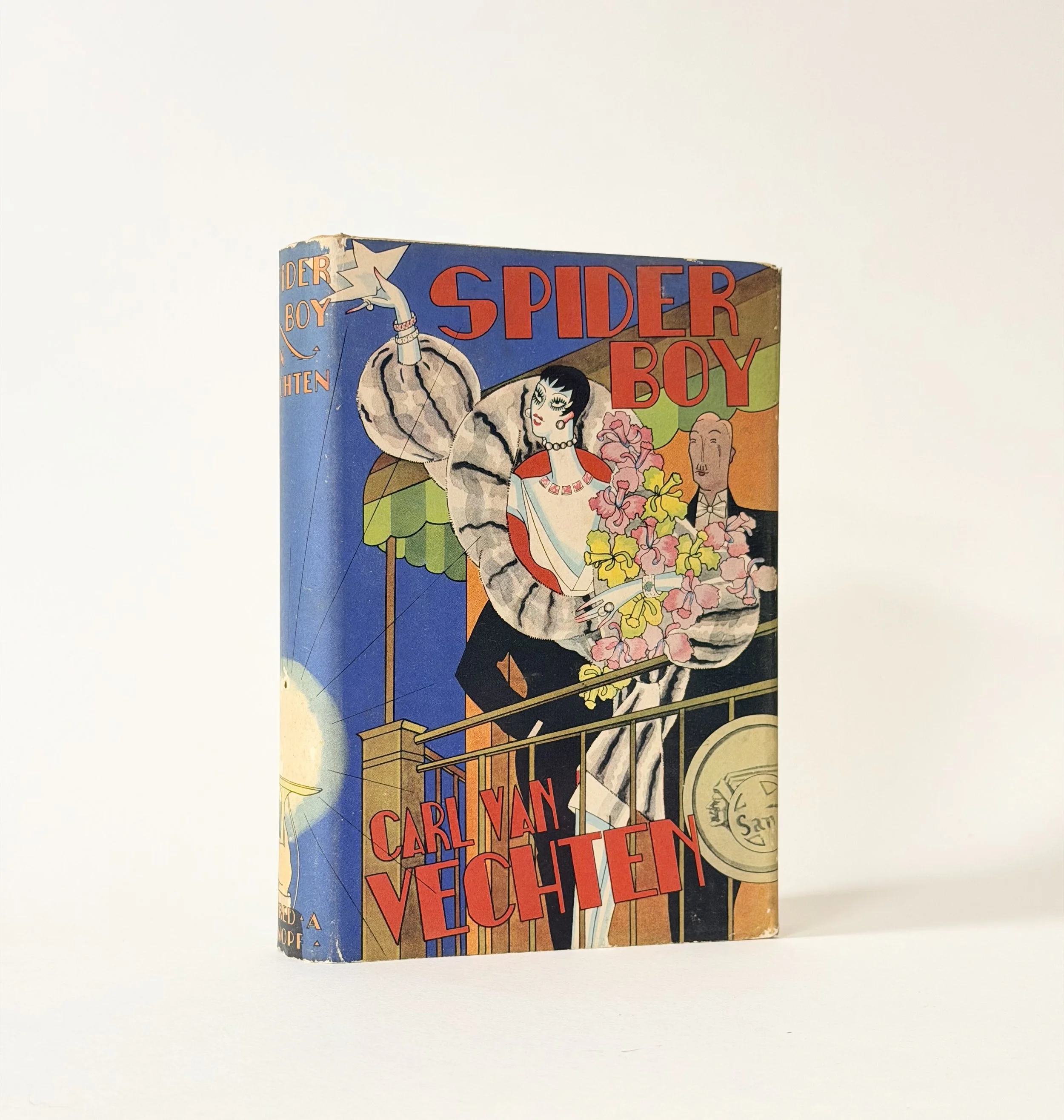 Image 1 of 7
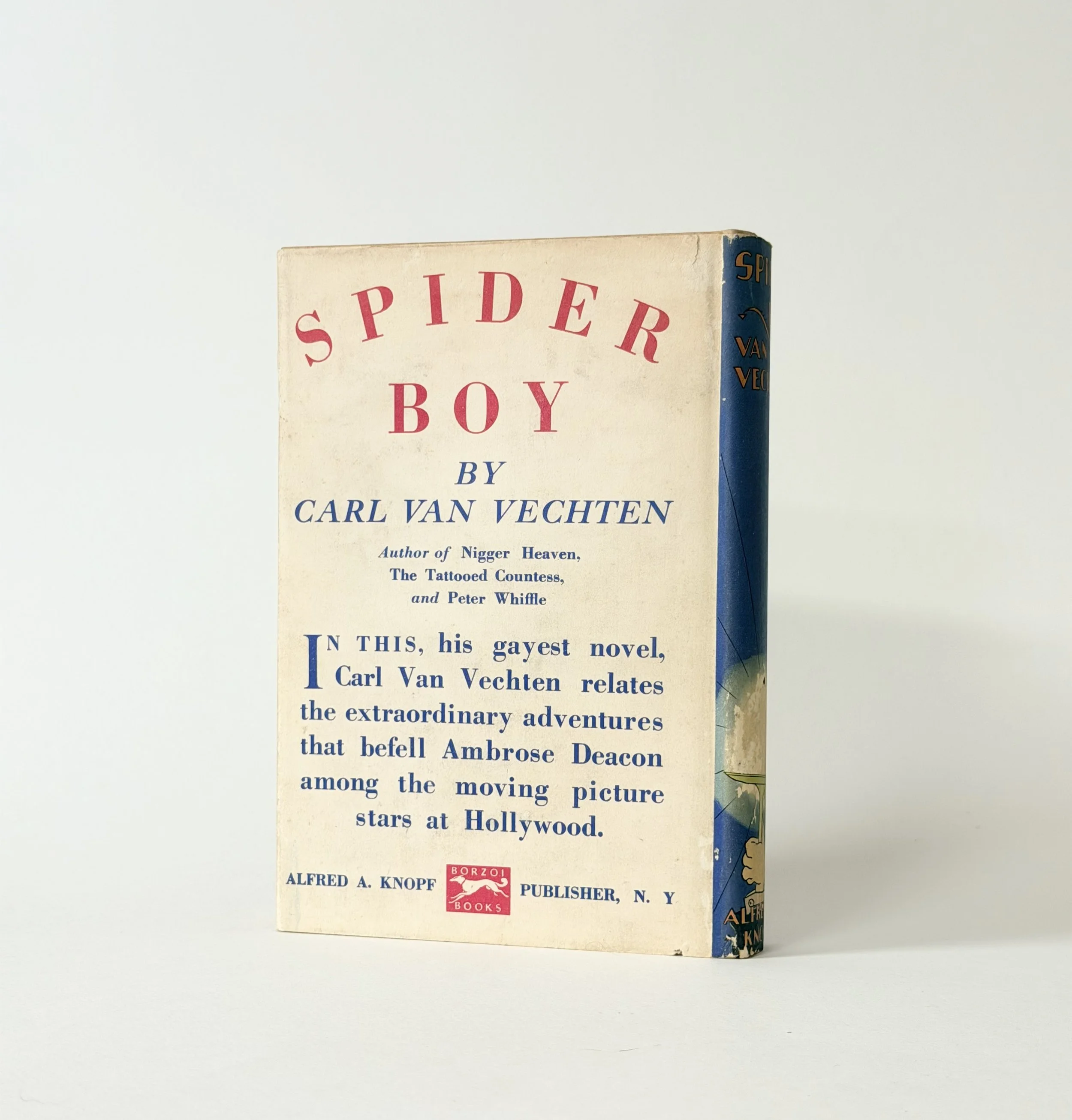 Image 2 of 7
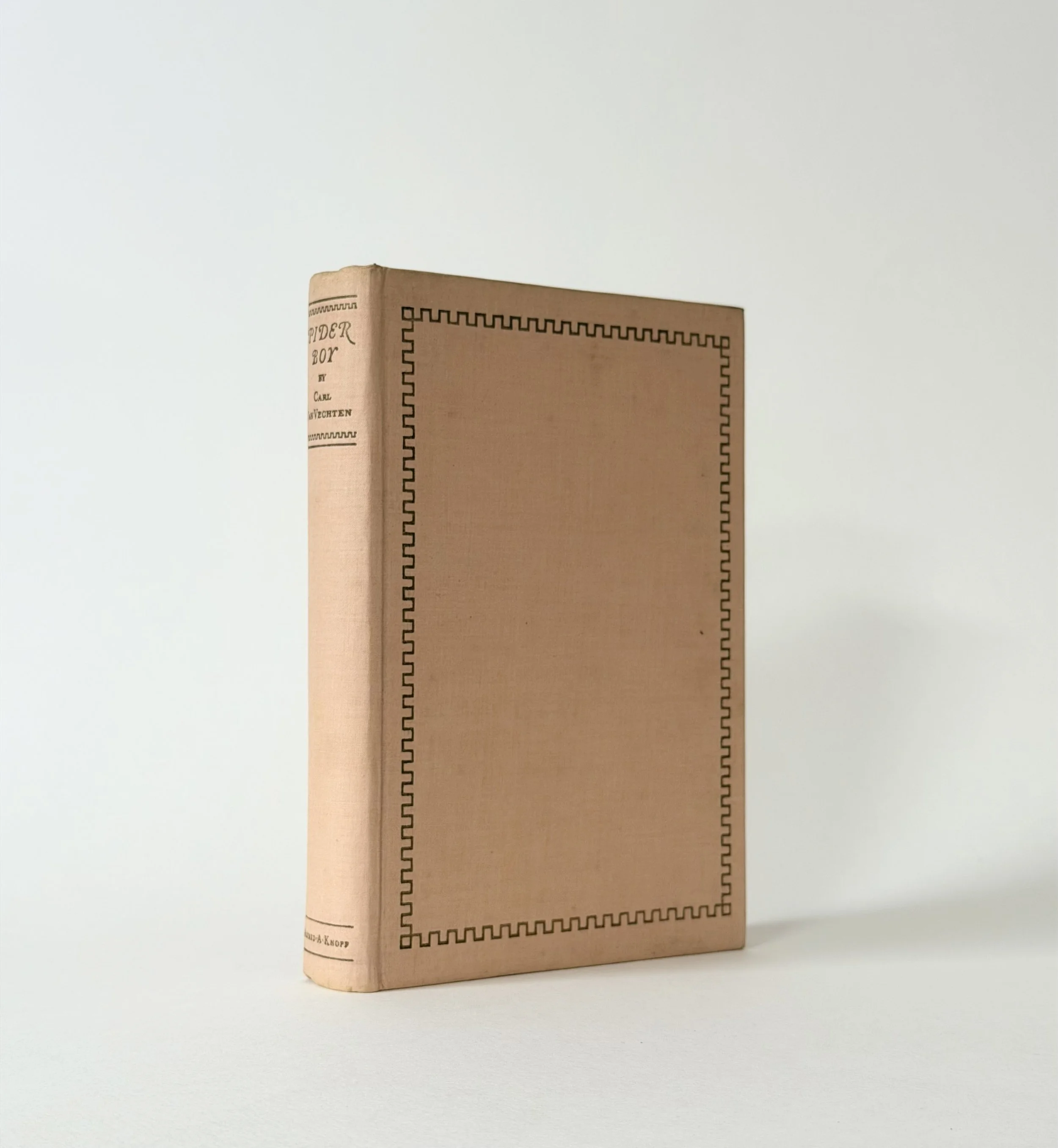 Image 3 of 7
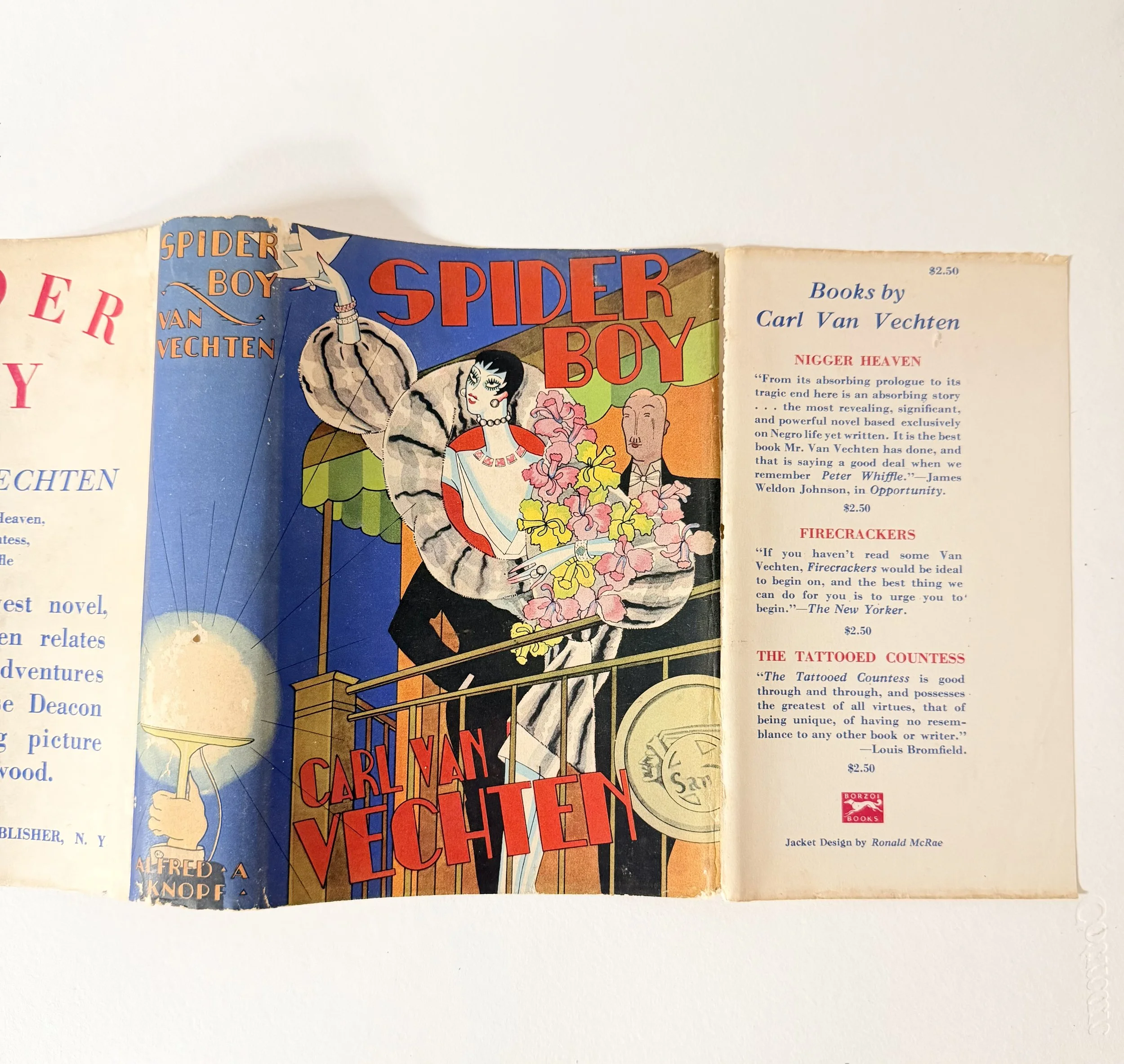 Image 4 of 7
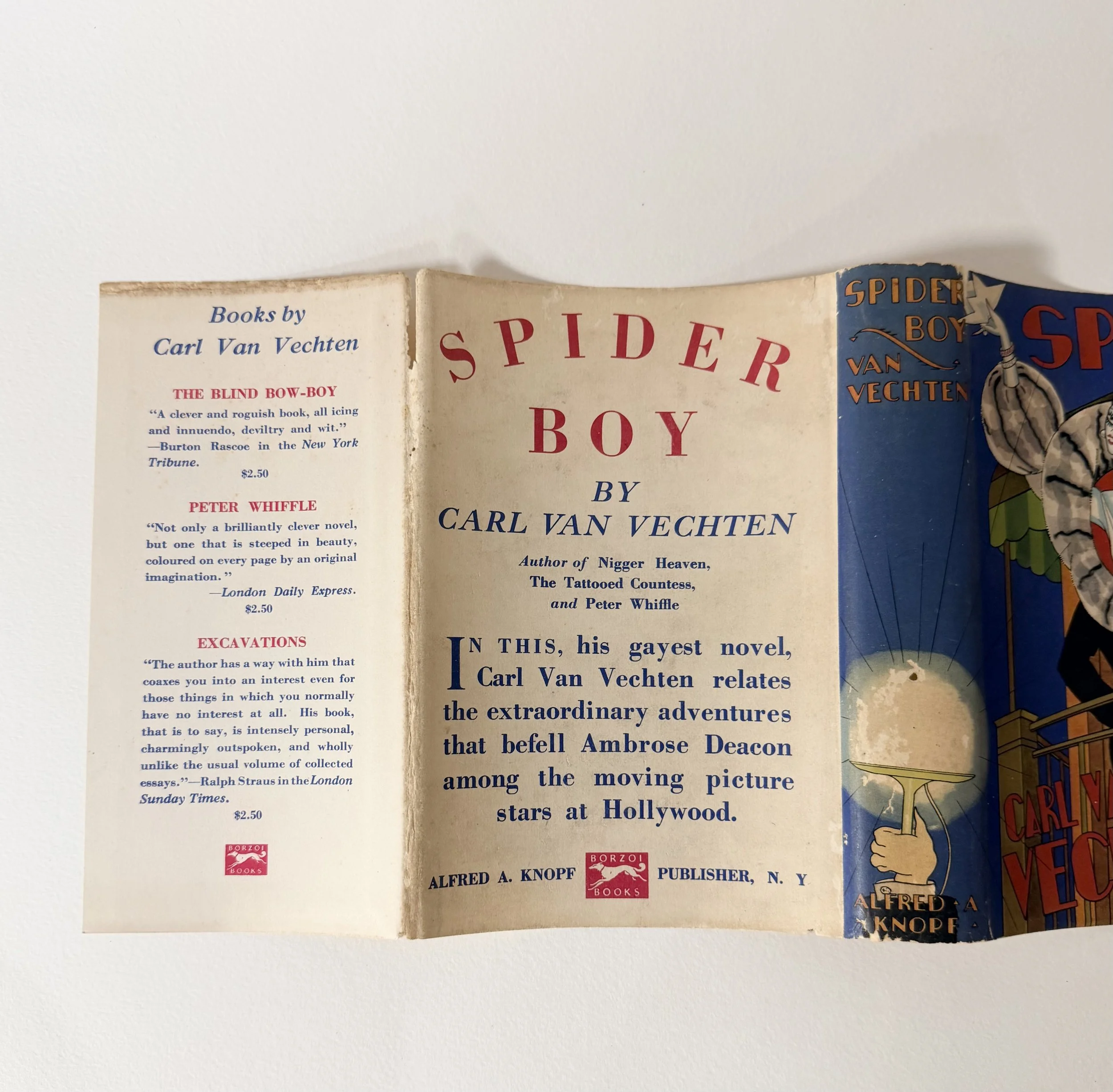 Image 5 of 7
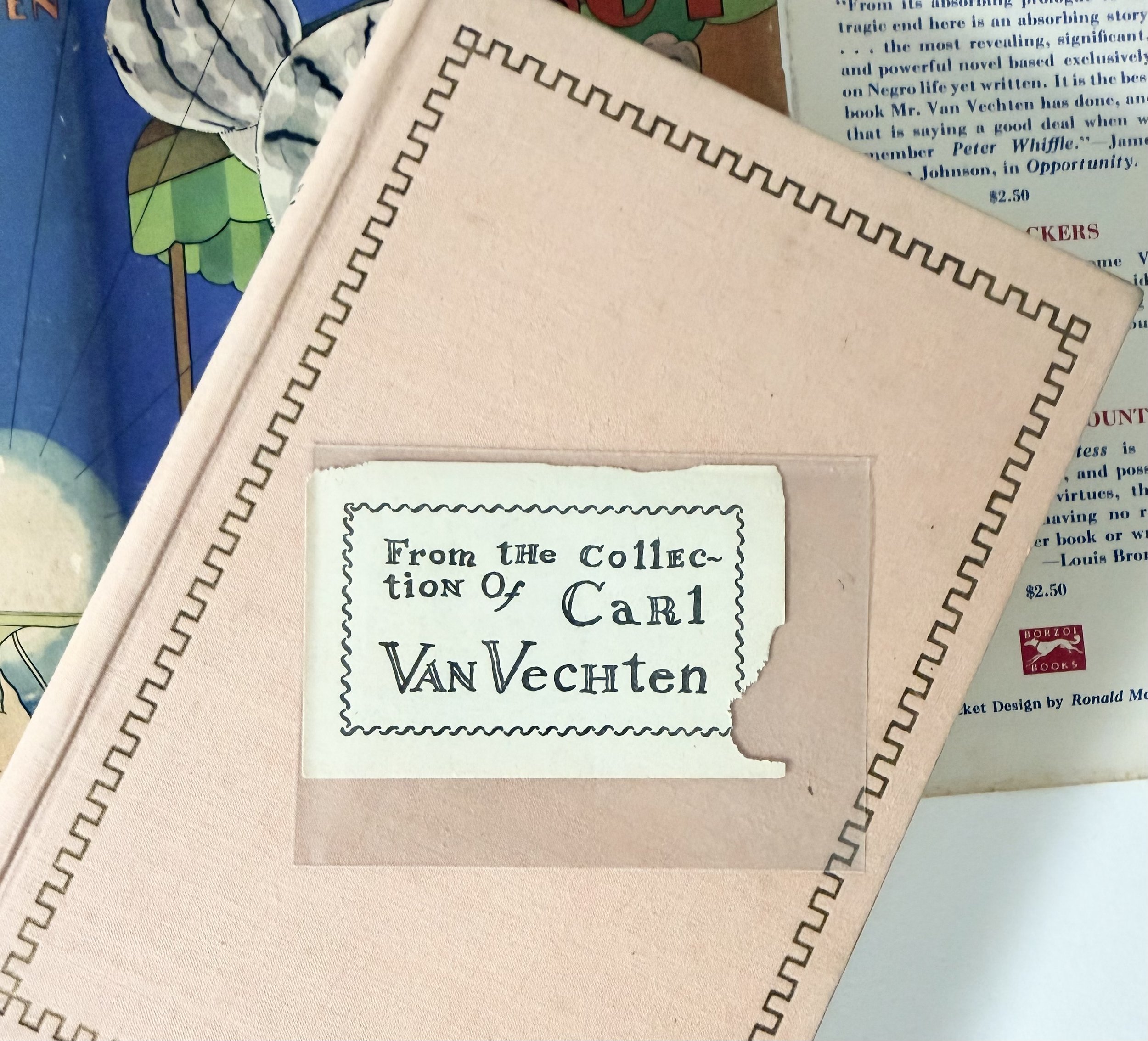 Image 6 of 7
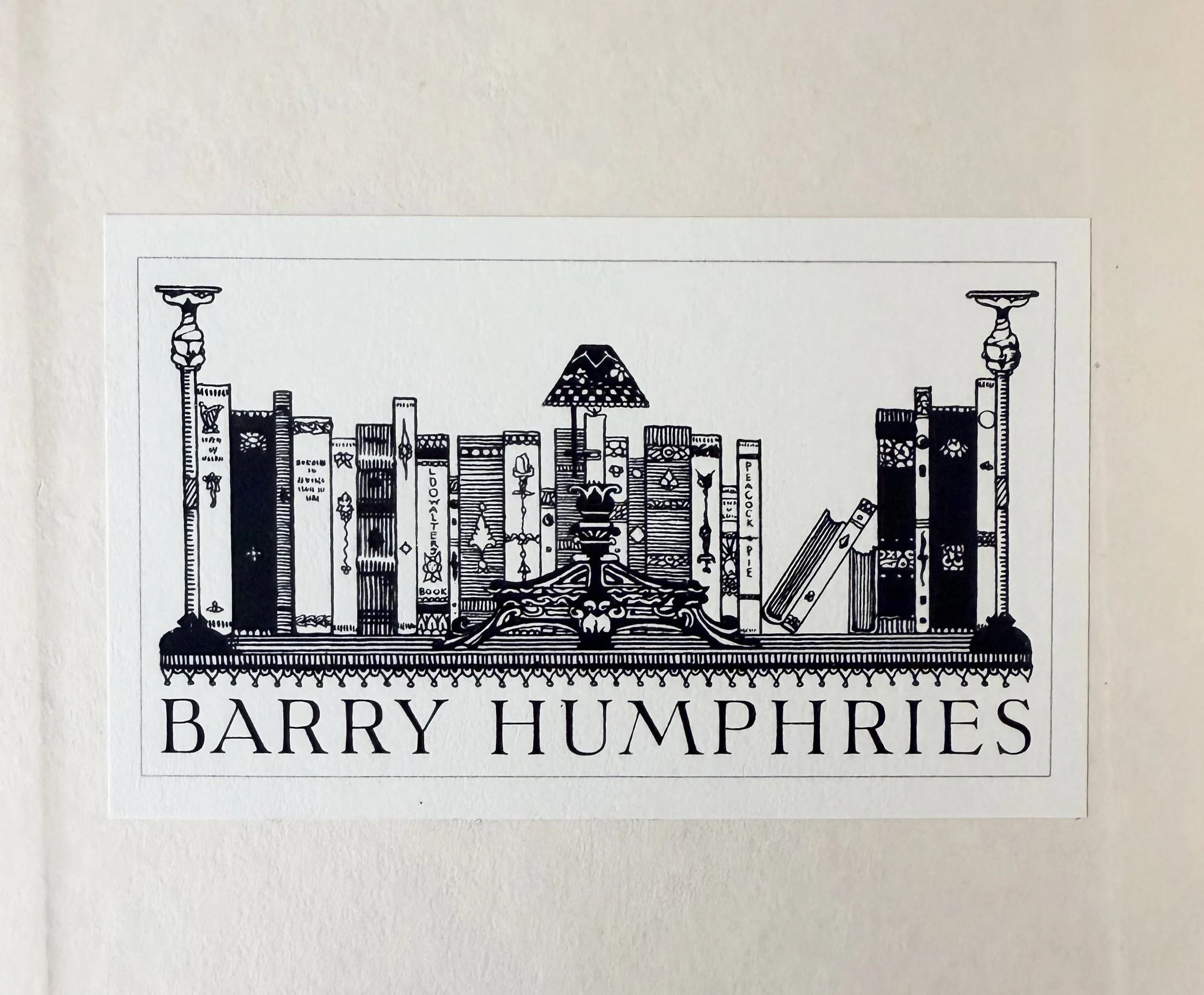 Image 7 of 7