
 Image 1 of 4
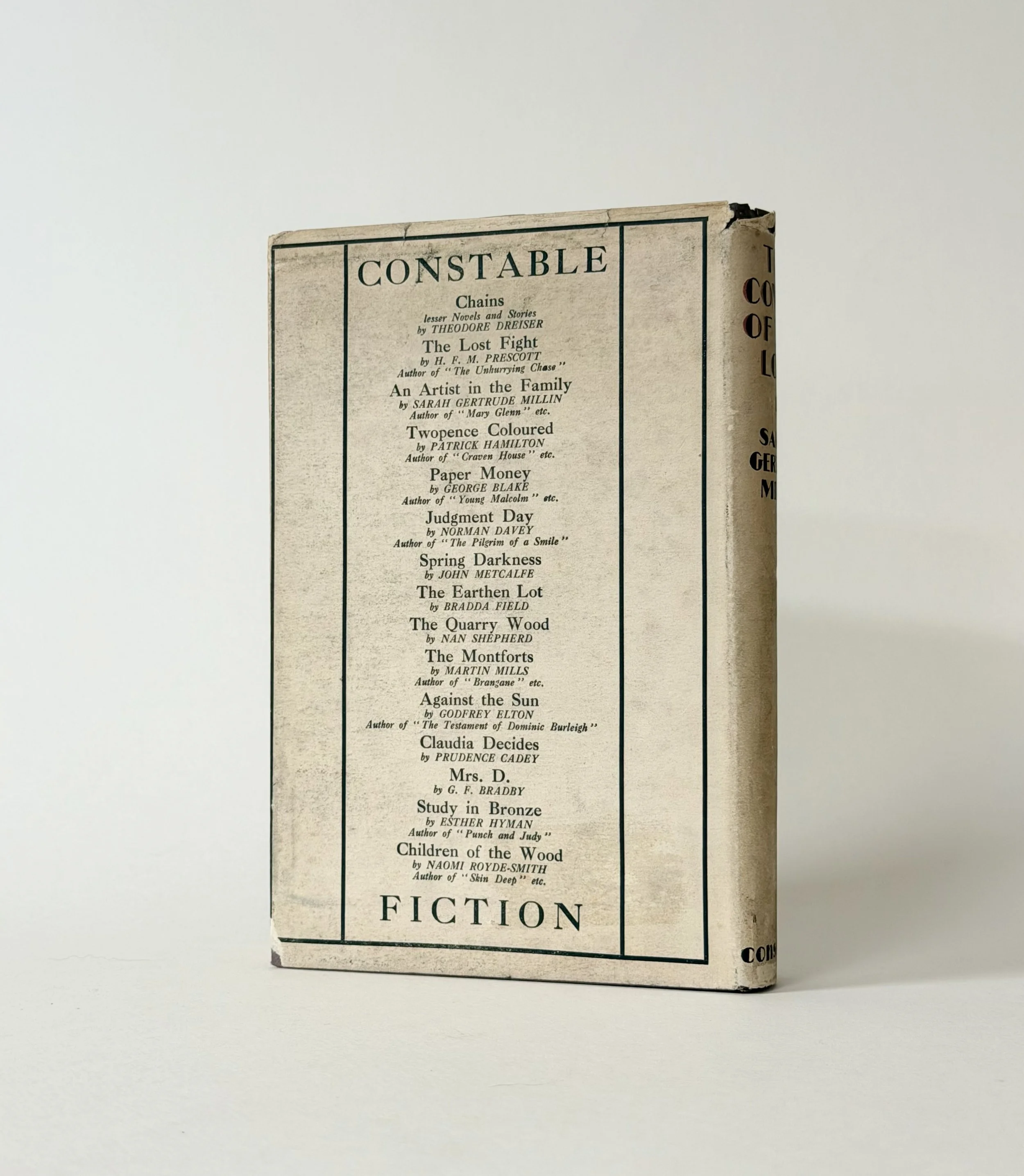 Image 2 of 4
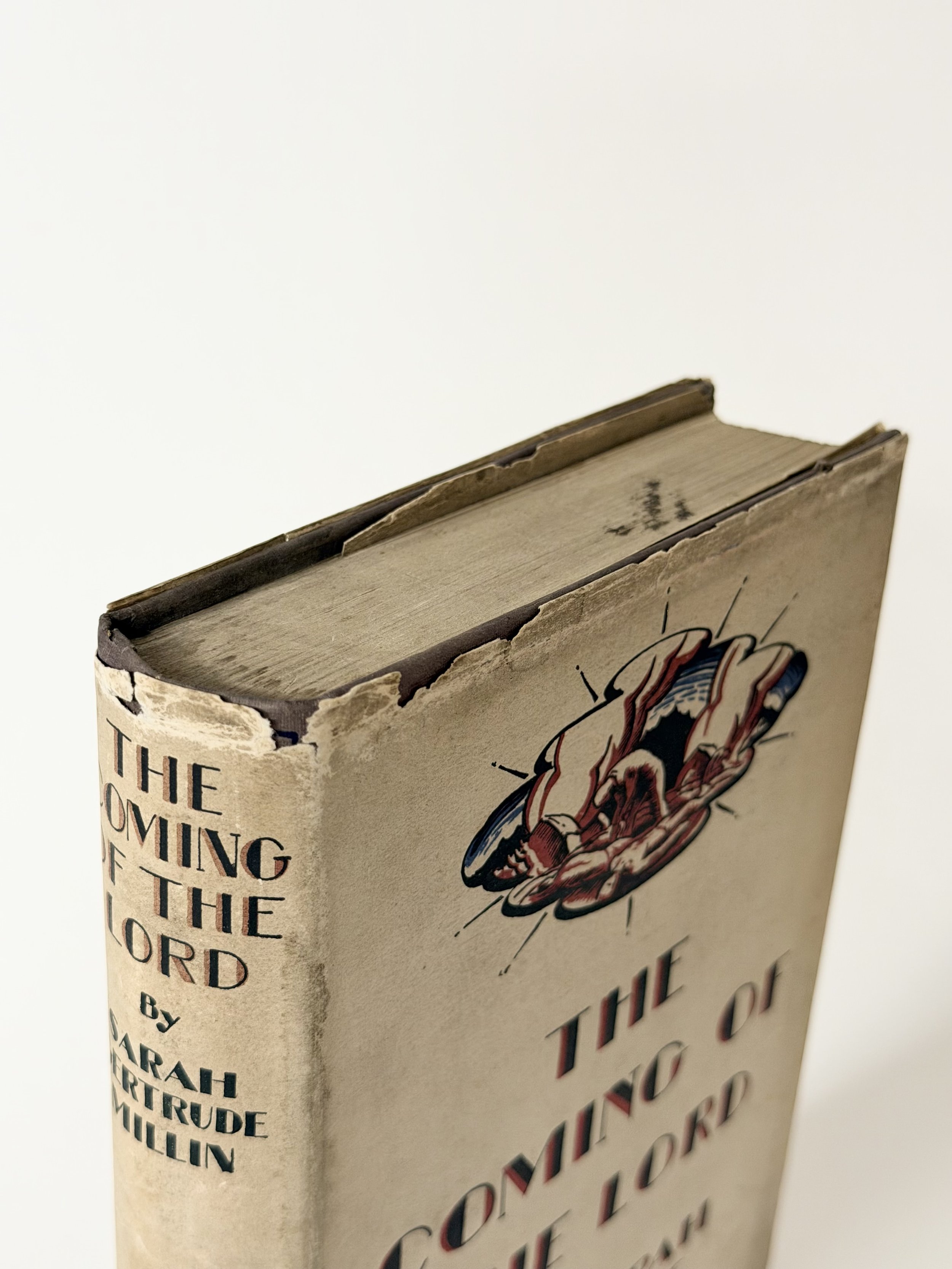 Image 3 of 4
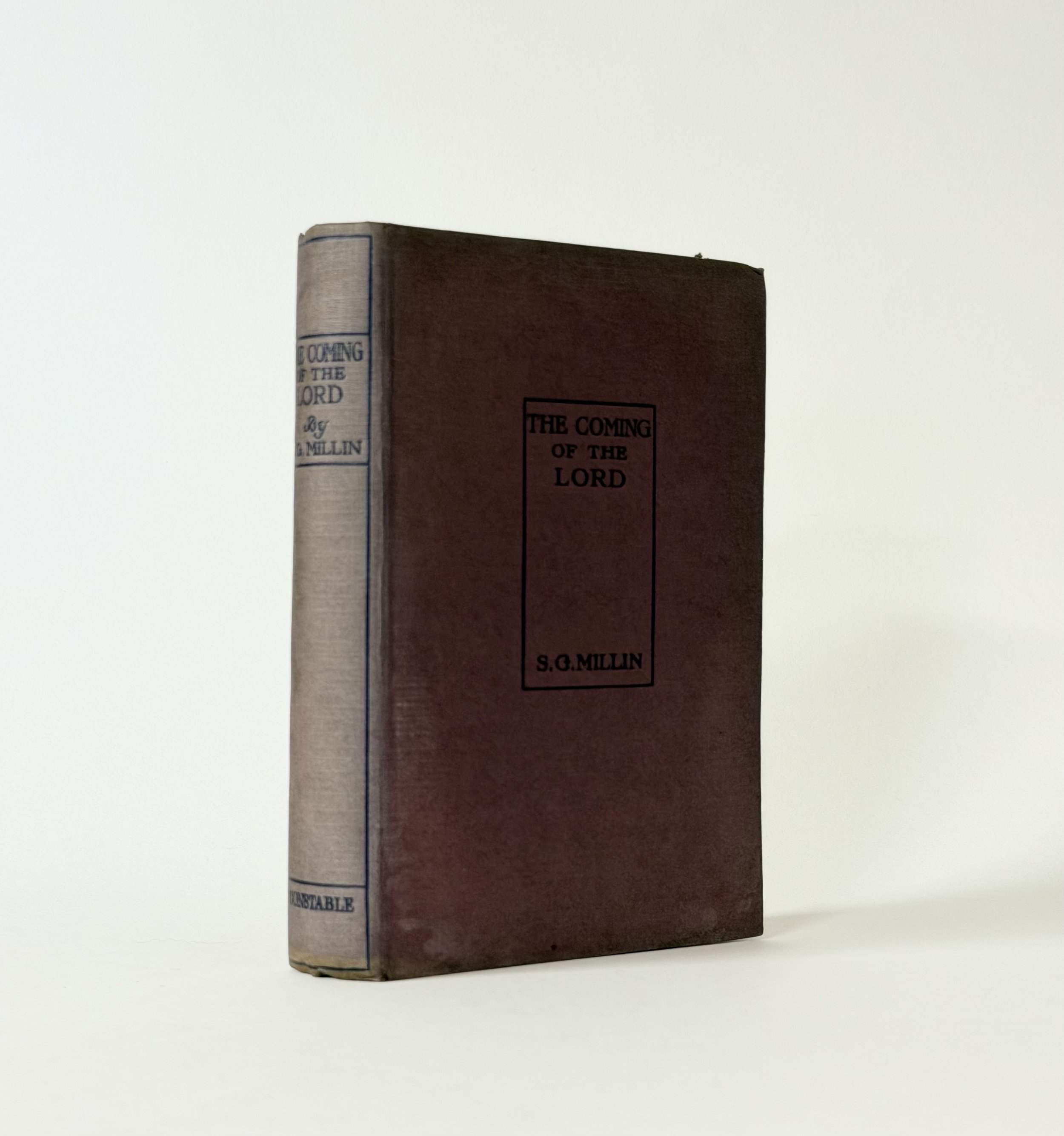 Image 4 of 4
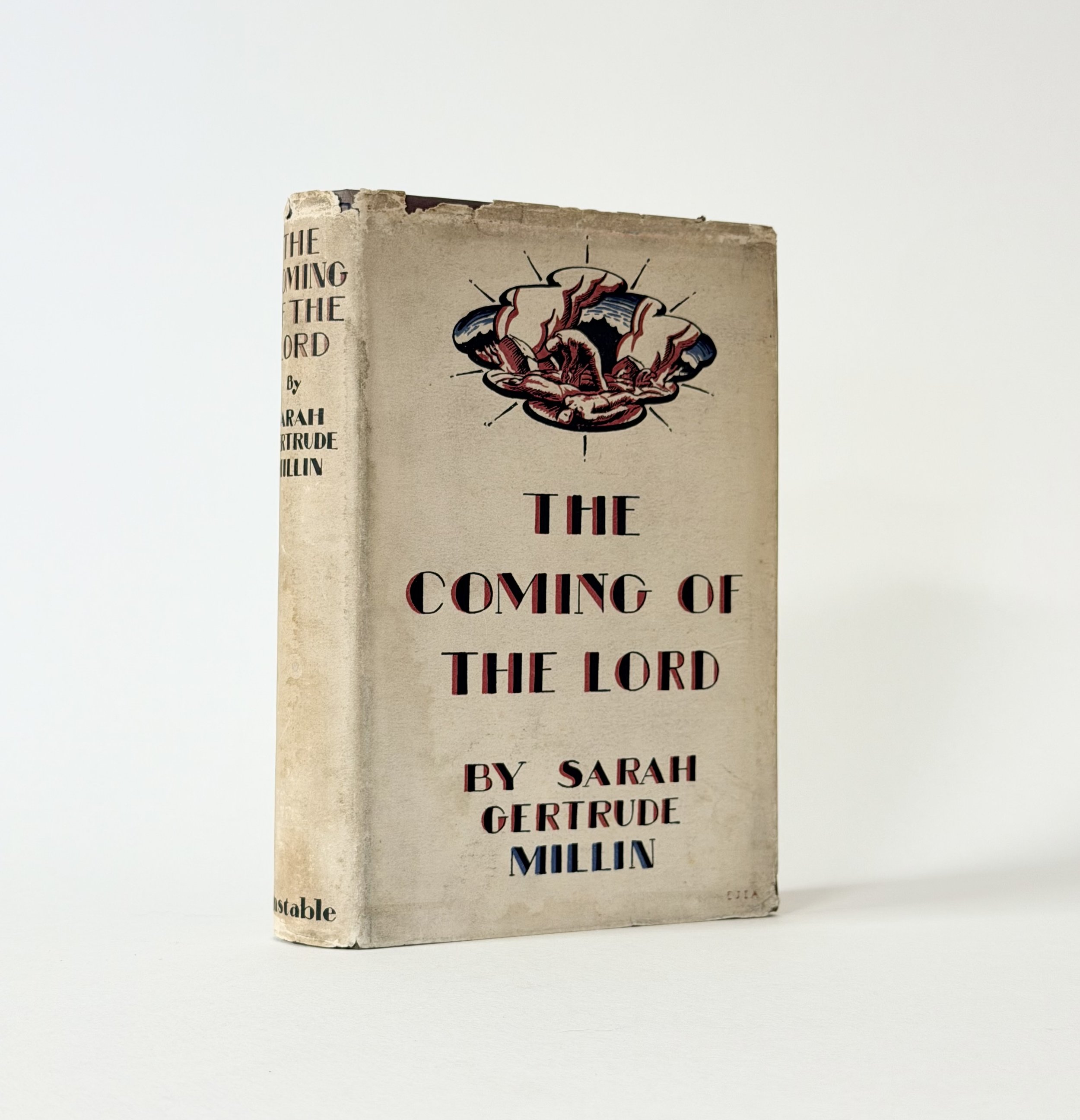
MILLIN, Sarah Gertrude. The Coming of the Lord. London: Constable. 1928. 8vo. First edition. Publisher’s plum cloth lettered in dark blue to the spine and front board, in the dust jacket designed by a young Edward Ardizzone before he adopted his now inimitable style. A good copy. The cloth a little discoloured at the spine and board edges. The binding tight and gently rolled, with some noticeable stains to the textblock edges—particularly to bottom edge, with apparent water stain here—, the contents lightly toned to endpapers, with some mild handling marks on occasion. The dust jacket price-clipped, with several small nicks and chips to extremities, gently rubbed at joints, the cream paper just lightly marked throughout.
The somewhat contentious author’s seventh novel and one which expressly explores her own Jewishness. The novel was published on the precipice of her trip to the USA, which catapulted her into international literary stardom. Here she dined with President Hoover and the later President, Franklin Roosevelt. An ardent Zionist, Millin’s writerly attention turned to anti-Nazism shortly thereafter, but it is her pro-Apartheid politics that has likely detained her from modern popularity—almost all of her novels were very well-received, commercial and critical successes. The dust jacket design is an uncommon one—signed EJIA, denoting the early work of Edward Jeffrey Irving Ardizzone, one of perhaps ten such commissions before he, for reasons unknown, adopted the style he became synonymous with. The lettering in two-tone shadow effect is likely also by Ardizzone. Uncommon.
MILLIN, Sarah Gertrude. The Coming of the Lord. London: Constable. 1928. 8vo. First edition. Publisher’s plum cloth lettered in dark blue to the spine and front board, in the dust jacket designed by a young Edward Ardizzone before he adopted his now inimitable style. A good copy. The cloth a little discoloured at the spine and board edges. The binding tight and gently rolled, with some noticeable stains to the textblock edges—particularly to bottom edge, with apparent water stain here—, the contents lightly toned to endpapers, with some mild handling marks on occasion. The dust jacket price-clipped, with several small nicks and chips to extremities, gently rubbed at joints, the cream paper just lightly marked throughout.
The somewhat contentious author’s seventh novel and one which expressly explores her own Jewishness. The novel was published on the precipice of her trip to the USA, which catapulted her into international literary stardom. Here she dined with President Hoover and the later President, Franklin Roosevelt. An ardent Zionist, Millin’s writerly attention turned to anti-Nazism shortly thereafter, but it is her pro-Apartheid politics that has likely detained her from modern popularity—almost all of her novels were very well-received, commercial and critical successes. The dust jacket design is an uncommon one—signed EJIA, denoting the early work of Edward Jeffrey Irving Ardizzone, one of perhaps ten such commissions before he, for reasons unknown, adopted the style he became synonymous with. The lettering in two-tone shadow effect is likely also by Ardizzone. Uncommon.