
 Image 1 of 3
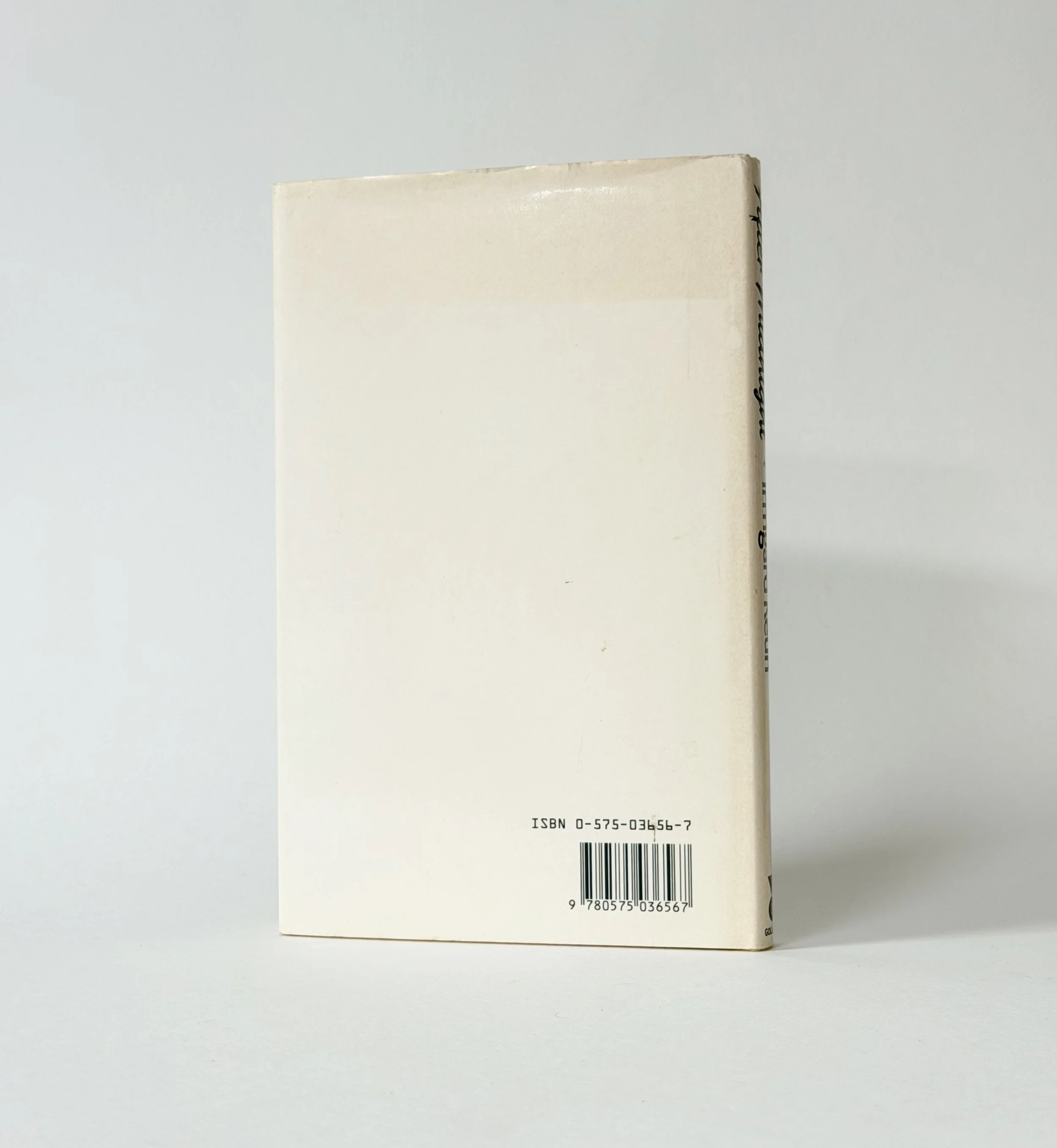 Image 2 of 3
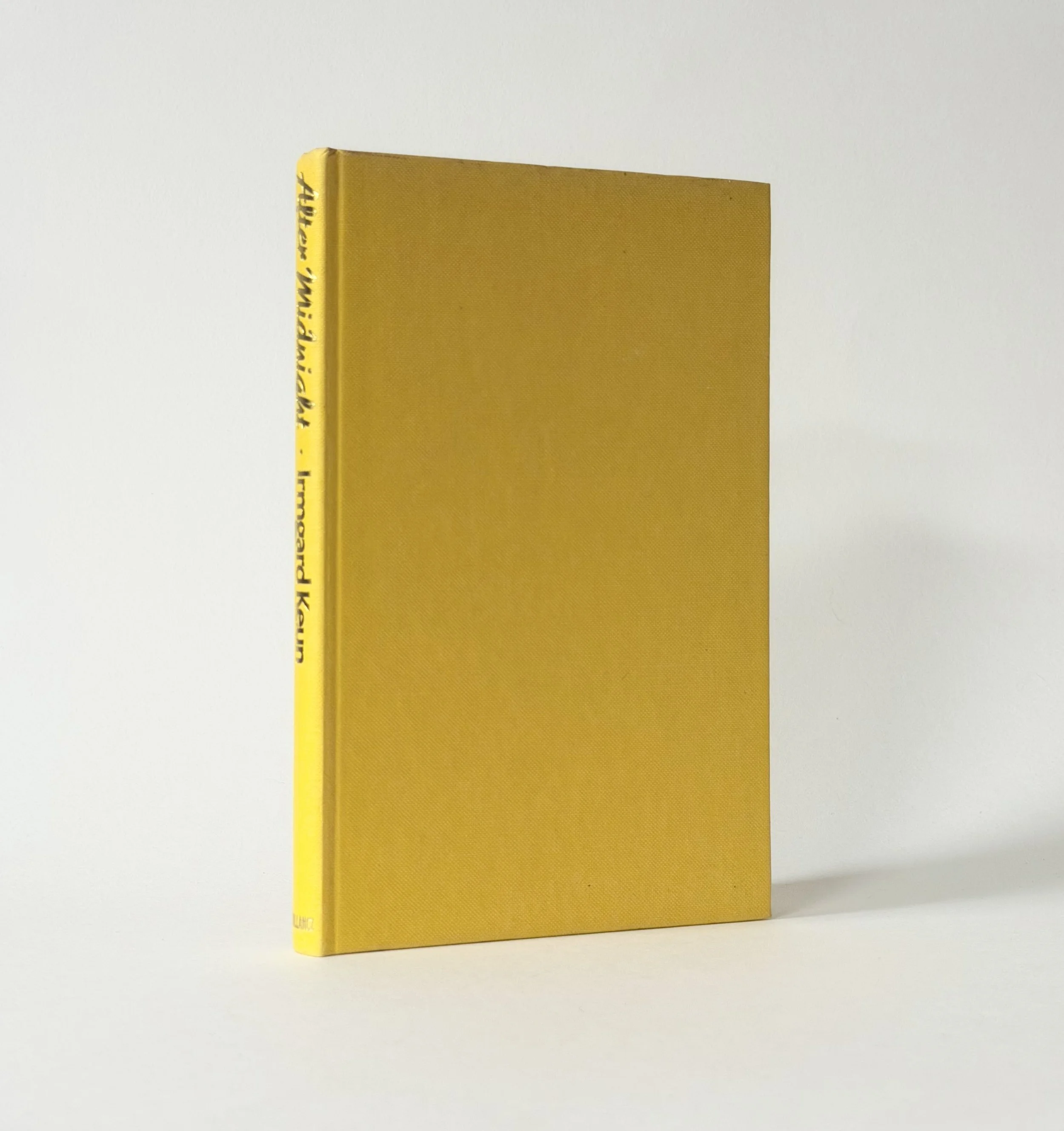 Image 3 of 3
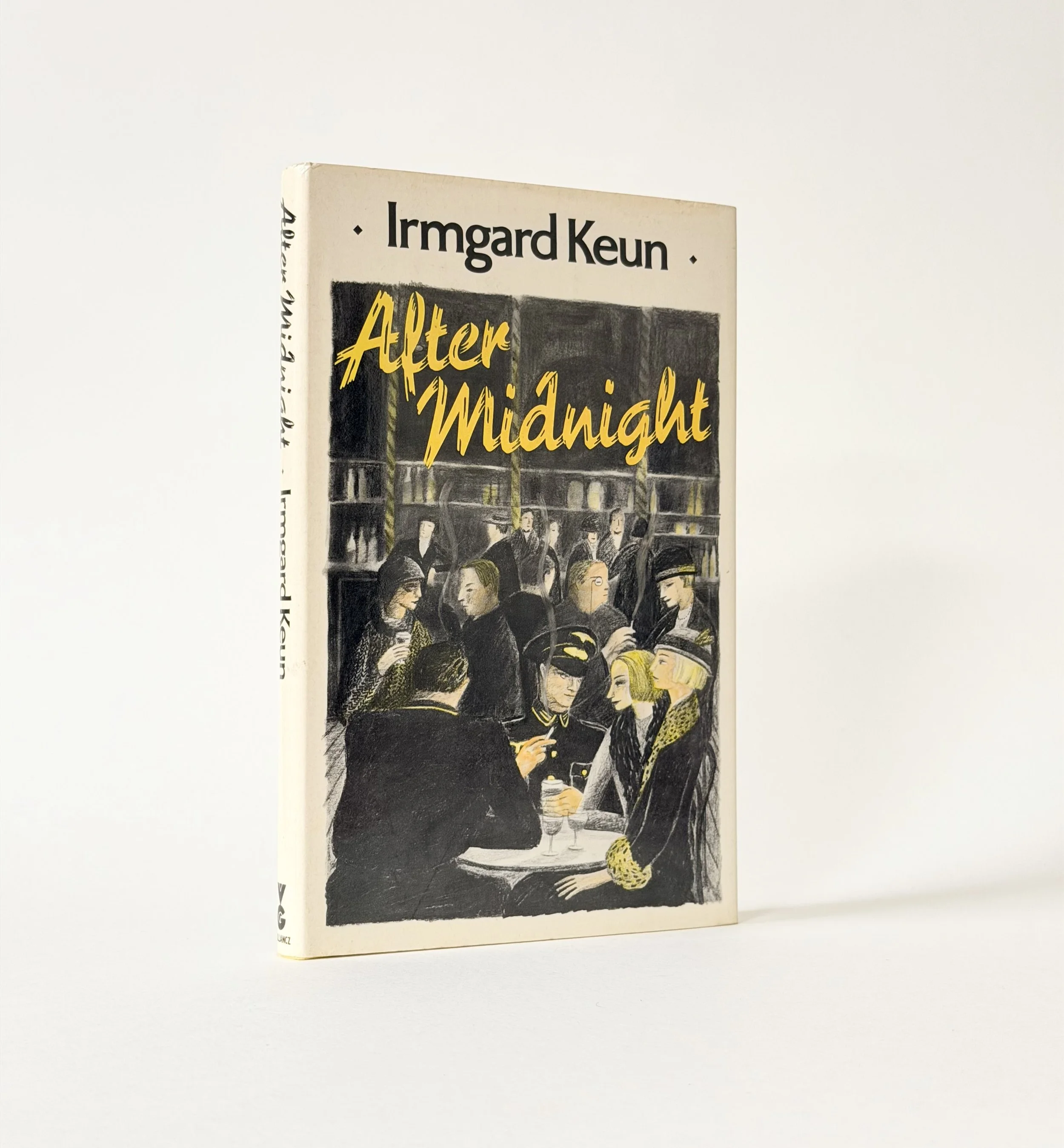
KEUN, Irmgard. After Midnight. Trans. Anthea Bell. London: Gollancz. 1987. 8vo. First edition thus. Originally published in 1937, this is the first English language edition. Vibrant yellow cloth lettered in gilt to the spine, in the excellent dust jacket designed by Emma Chichester-Clark. A near fine example overall, the cloth clean and bright, the binding tight and square, the top edge slightly dust-marked and mildly spotted with a very slight musty odour. The contents otherwise fine with intriguing inscription to front endpaper which could be from the translator, Anthea Bell. The dust jacket price-clipped, slightly crimped towards joints and tips, faint toning to rear panel, else a sharp example.
The fictional story of Susanne, a German teenager whose life is confronted with the growing authority of the Nazi Party, tearing down her ideas, philosophies, and relationships. Keun endured an especially intriguing life, her literary prominence coinciding with the growing threat of the Nazi Party. Alfred Döblin encouraged her to write and became an early tutor, yet her novels, often satires of the regime and its philosophies, were burned. She flitted around from hereon, mysteriously remaining in Germany for much of the war under various aliases. Alcoholism, homelessness, and mental health issues plagued her postwar, and only in her later life was her work rediscovered. Uncommon.
KEUN, Irmgard. After Midnight. Trans. Anthea Bell. London: Gollancz. 1987. 8vo. First edition thus. Originally published in 1937, this is the first English language edition. Vibrant yellow cloth lettered in gilt to the spine, in the excellent dust jacket designed by Emma Chichester-Clark. A near fine example overall, the cloth clean and bright, the binding tight and square, the top edge slightly dust-marked and mildly spotted with a very slight musty odour. The contents otherwise fine with intriguing inscription to front endpaper which could be from the translator, Anthea Bell. The dust jacket price-clipped, slightly crimped towards joints and tips, faint toning to rear panel, else a sharp example.
The fictional story of Susanne, a German teenager whose life is confronted with the growing authority of the Nazi Party, tearing down her ideas, philosophies, and relationships. Keun endured an especially intriguing life, her literary prominence coinciding with the growing threat of the Nazi Party. Alfred Döblin encouraged her to write and became an early tutor, yet her novels, often satires of the regime and its philosophies, were burned. She flitted around from hereon, mysteriously remaining in Germany for much of the war under various aliases. Alcoholism, homelessness, and mental health issues plagued her postwar, and only in her later life was her work rediscovered. Uncommon.