ERTZ, Susan. Woman Alive. With illustrations by Bip Pares. London: Hodder and Stoughton. 1935. 8vo. First edition. Publisher’s red cloth lettered in black and grey to backstrip and front board, in the dust jacket by Bip Pares, who offers colour vignettes to endpapers, head- and tail-pieces, plus six superb monochrome plates throughout the text. This copy inscribed by the author to half-title dated in year of publication. Very good. The backstrip slightly faded, the corners and tips gently pushed, boards with mild water-spots, the binding tight and square. The contents largely fine, though with spots to textblock edges and, heavier, to endpapers, much lighter therein, else largely fine, the plates so. The endpapers with some abrasion (and foil transfer to rear), due solely to the book’s most quirky construction—the dust jacket printed of thick foil, all examples of which corrode to form this unusual vermiculated pattern visible to all panels here; one can only wonder how marvellously this book might have sparkled in a bookshop window in 1935. That said, in another example seen, the foil has eaten away much of the endpapers—testament as to the book’s scarcity. Here, the impact is pleasingly much milder.
A very scarce example of what might well become the author’s revised magnum opus since its recent republication by Manderley Press. A dystopian novel in which our protagonist is cast forward, into 1985, where England has left Europe to form the League of English-Speaking Peoples. Women fall victim to an uncontrollable virus caused by the aftermath of war, and Stella, headstrong and unbending, becomes the ‘woman alive’. Her very being is co-opted by governments, the masses enshrine her as a Goddess of hope, while unnamed countries plot her capture. Unlike speculative stalwarts, Huxley and Orwell, Ertz busies herself not with the accuracy of her vision of the future, but merely with its social message, a clue as to its accessibility and timelessness. She cares little for world-building or character development; the cause of the virus is merrily glossed in a sentence or two, and what can manifest instead is the venomous attack on humanity in all its destructiveness: “what are we but idiot little children with the idiot’s pleasure in destruction: obscene, swaggering, senseless little monsters?”. Her prose is intentionally basic—Stella is a mouthpiece, and she shoots not solely at men as warmongering ‘fighting animals’, but equally at women for their inability to unite, to persuade, to convince. It’s the major separation to other works (such as Brave New World or Nineteen Eighty-Four), which carefully show their dystopian visions; Ertz simply doesn't have time for this, perhaps less a slight on her literary ability and more an indication of her interwar world, amid growing certainty that yet more men might well send other men off to kill other men, incessantly and unendingly. Yet despite this forthrightness, there are moments of poetical excellence, and always ultimately with some degree of hope: we see “a universe with its own stars and galaxies and immensities and its own tiny marvels, the infinitely small bound up with the infinitely great, and all presided over by a hopeful, lonely, anxious, and unique intelligence, a unique awareness, complete in itself, like no other, necessary to itself, and never to be repeated.” A praiseworthy novel which should sit alongside the titans of speculative fiction, and a most unusual example of a form of book production that unsurprisingly did not catch on. The first edition is scarce; signed copies considerably so.

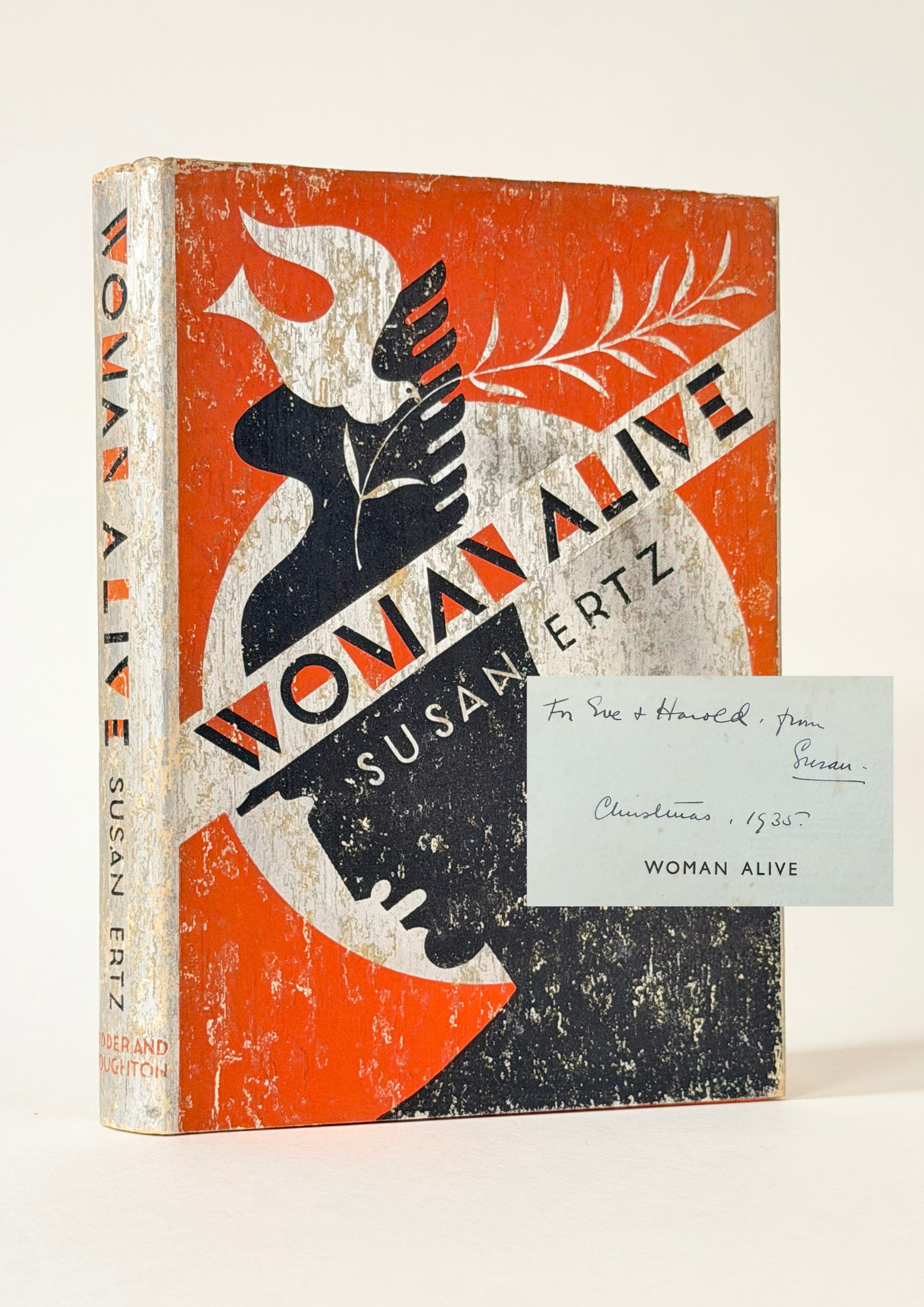 Image 1 of 9
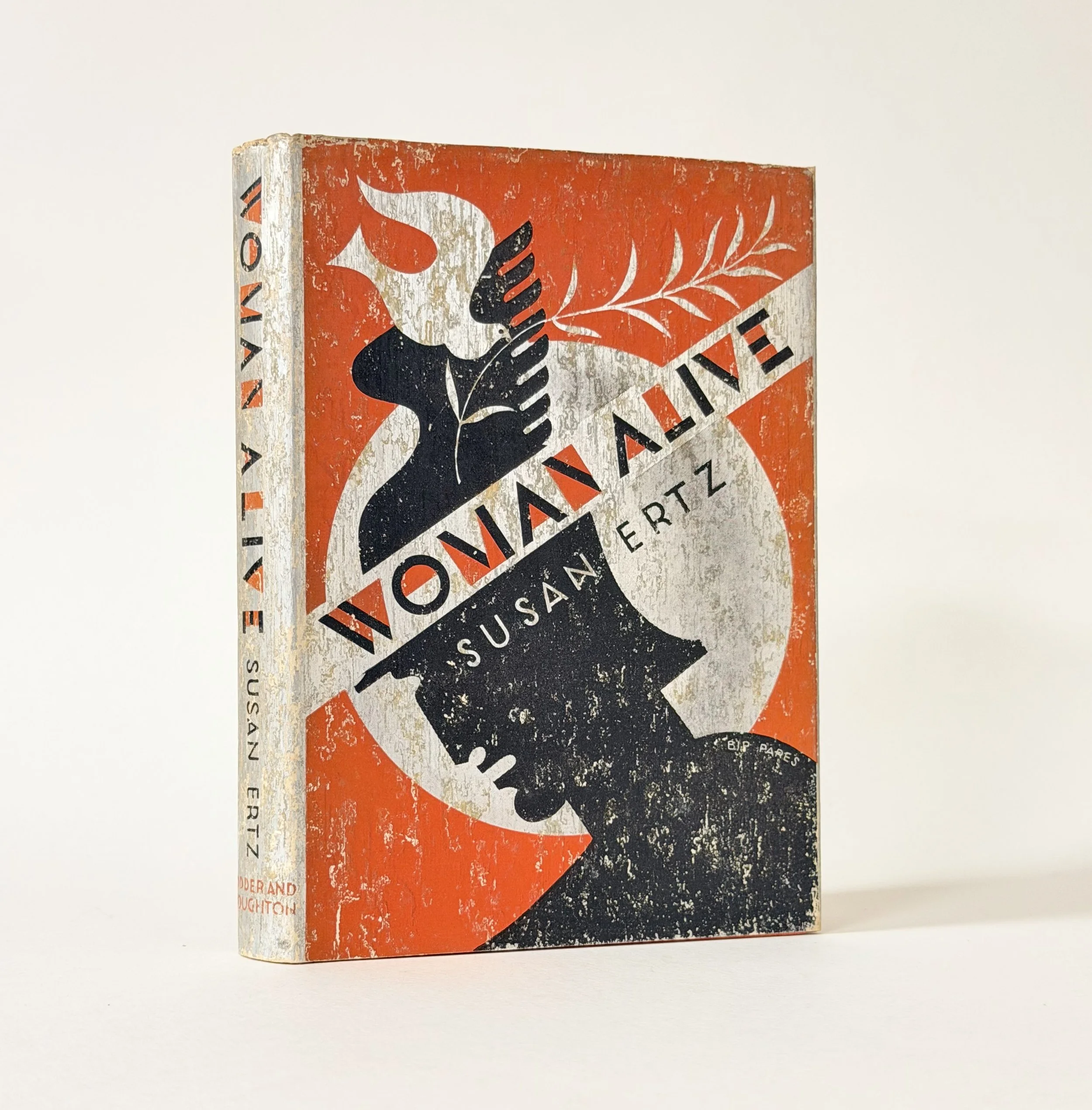 Image 2 of 9
 Image 3 of 9
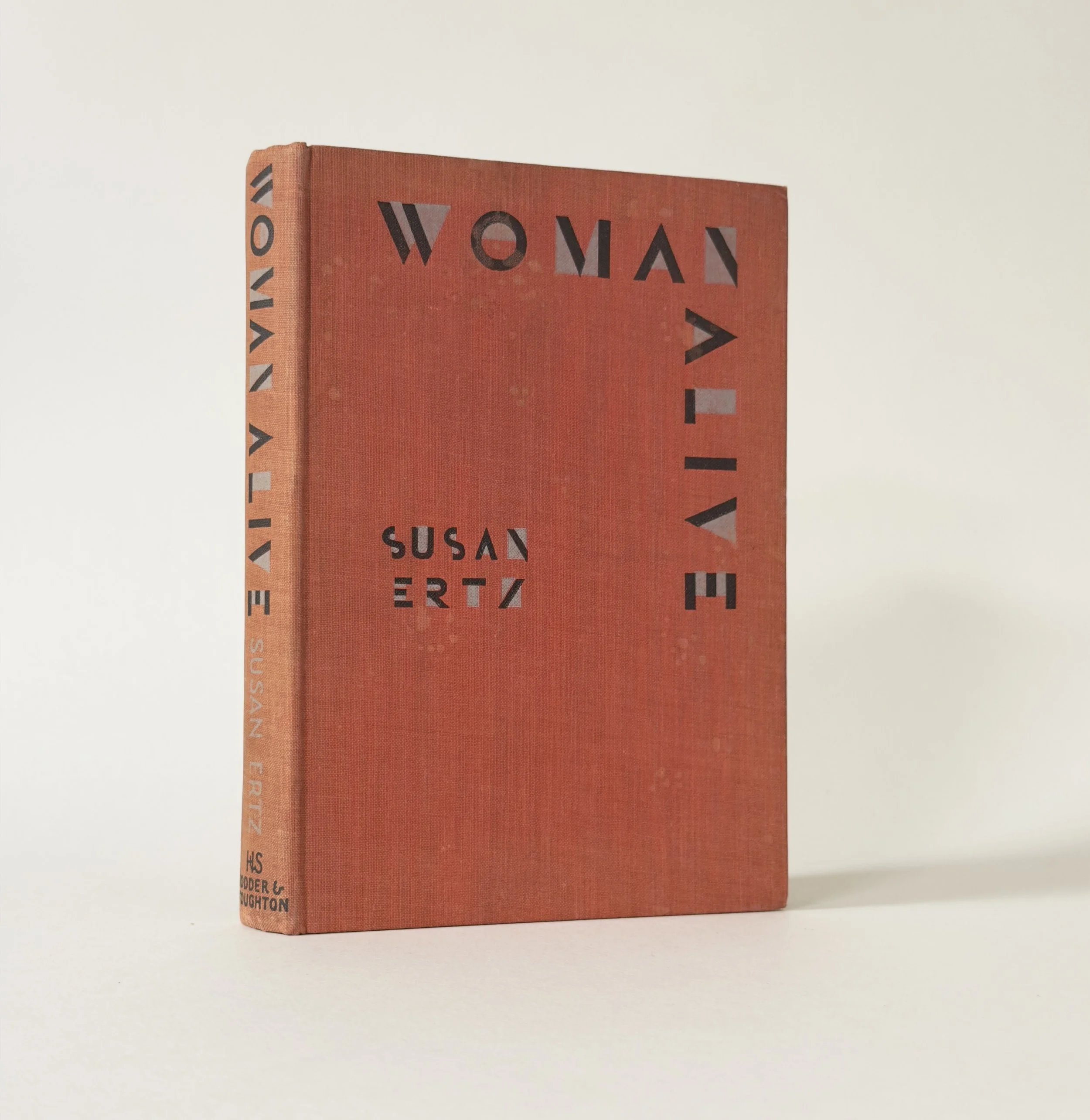 Image 4 of 9
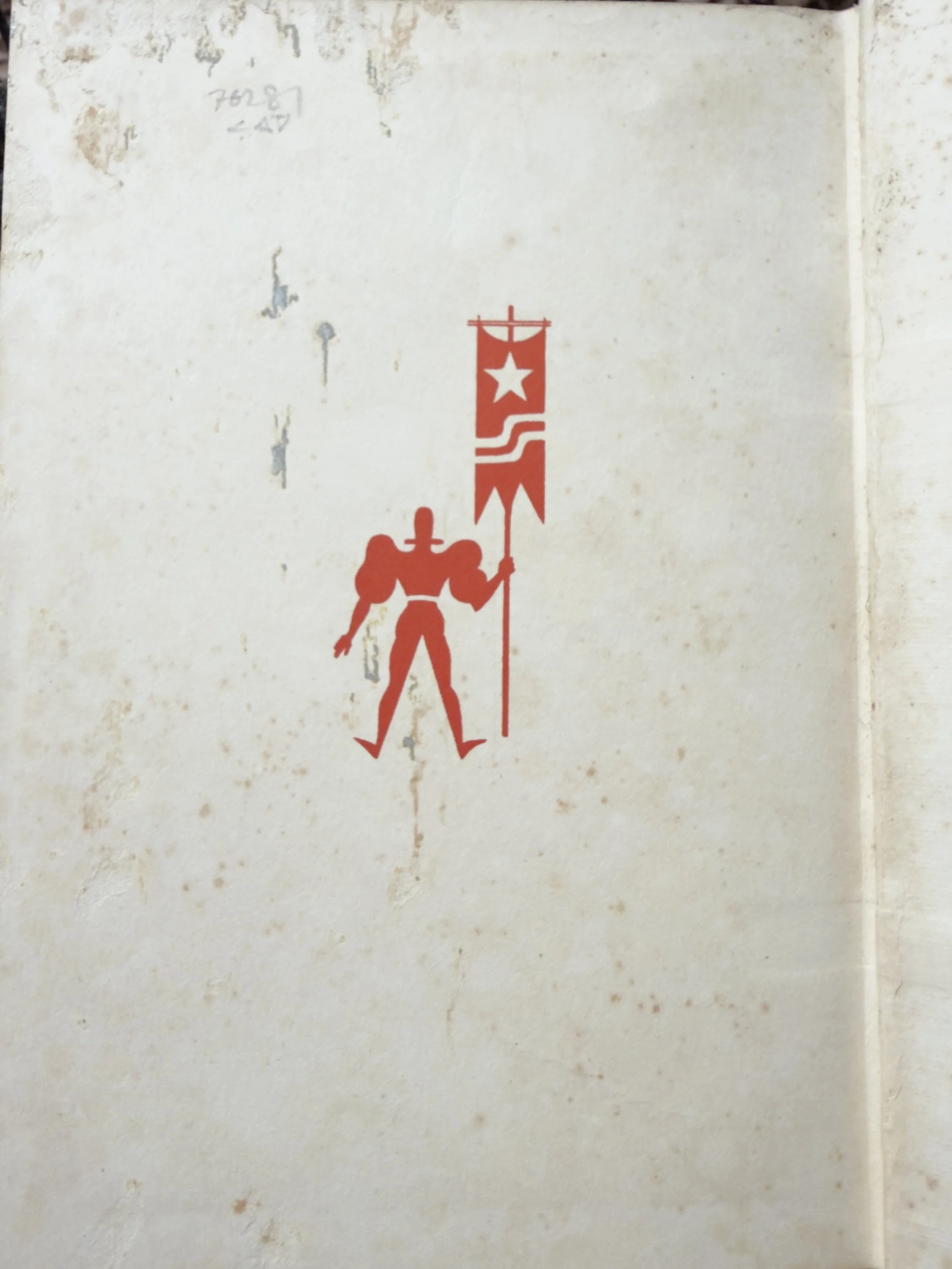 Image 5 of 9
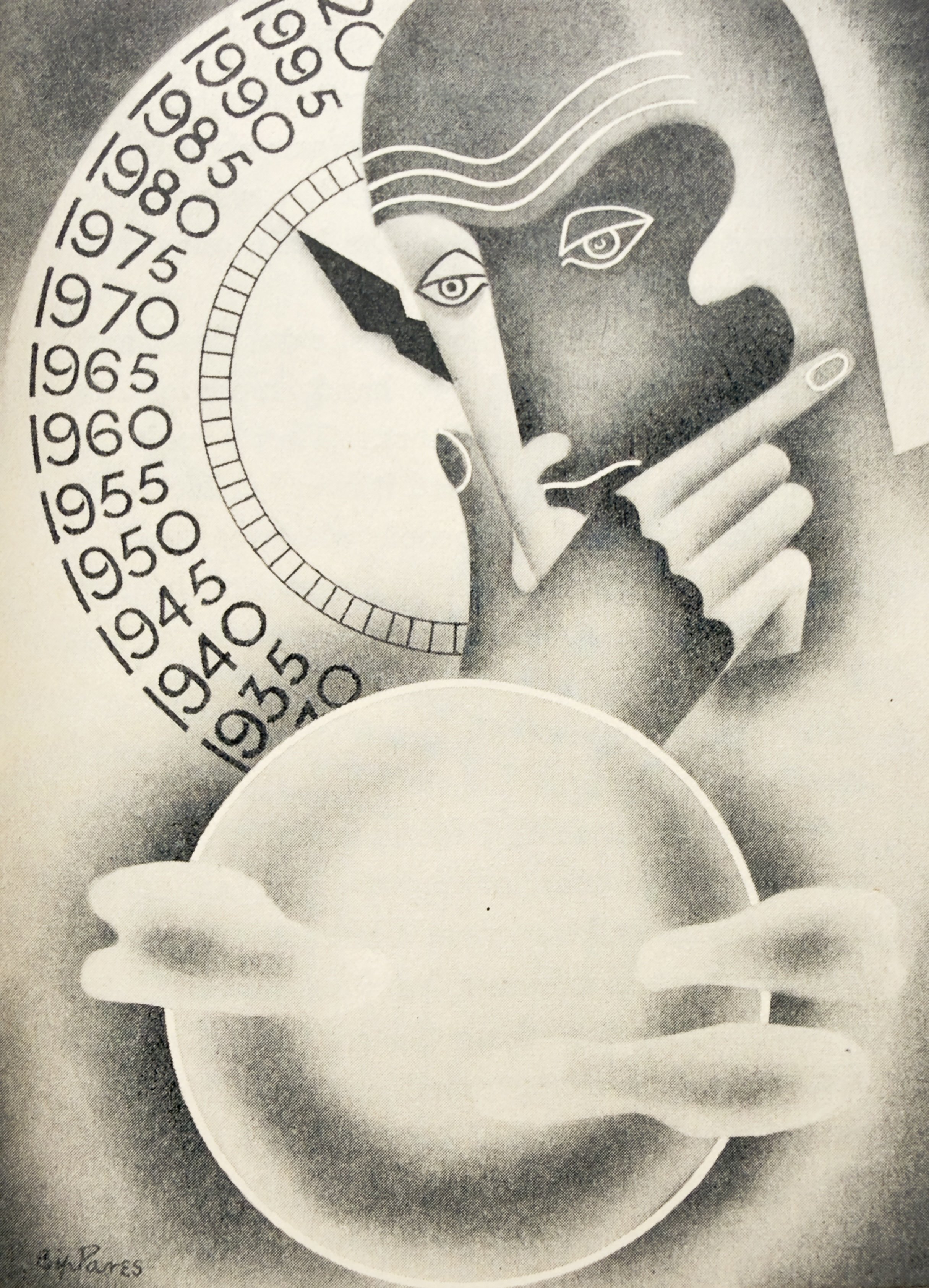 Image 6 of 9
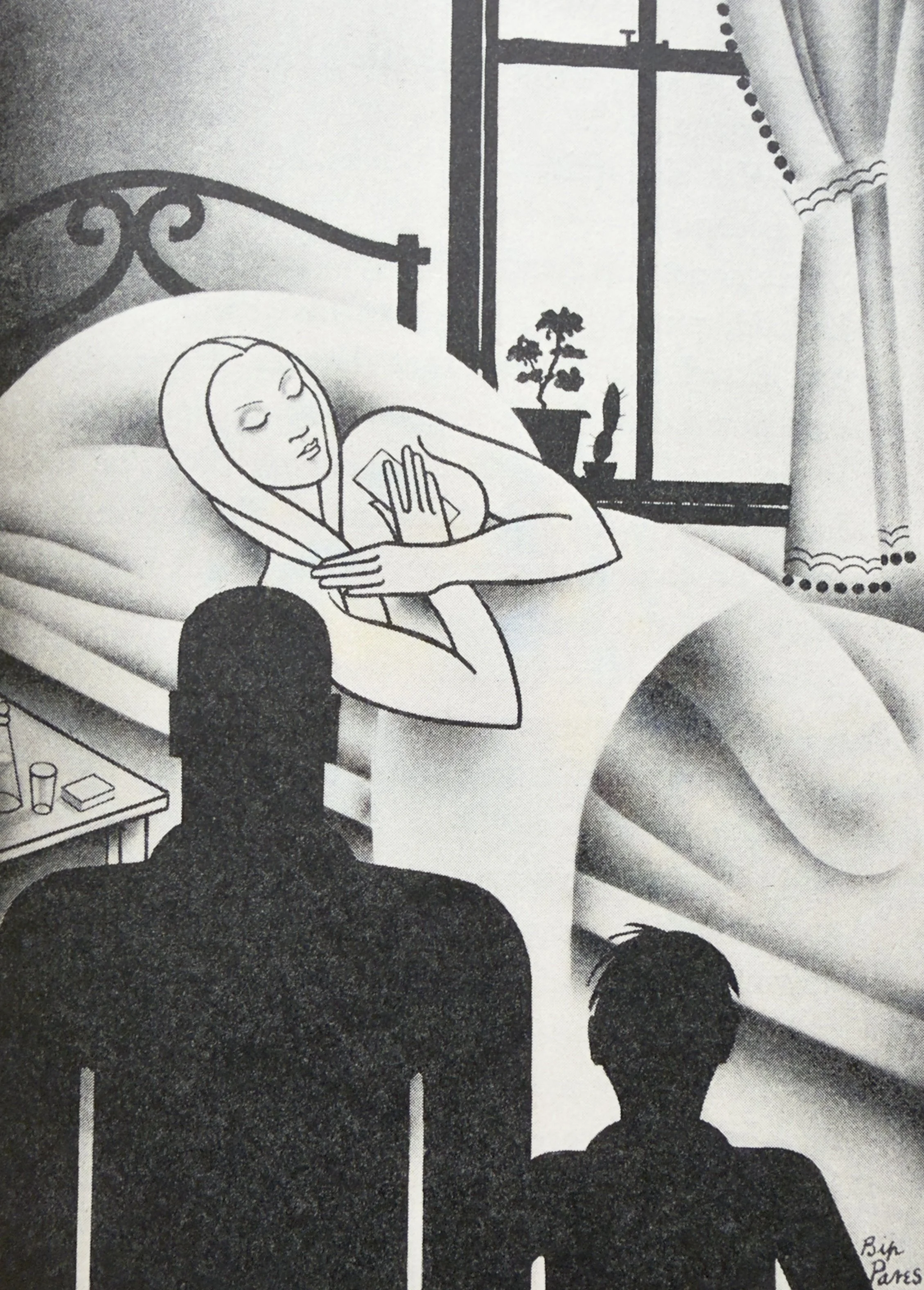 Image 7 of 9
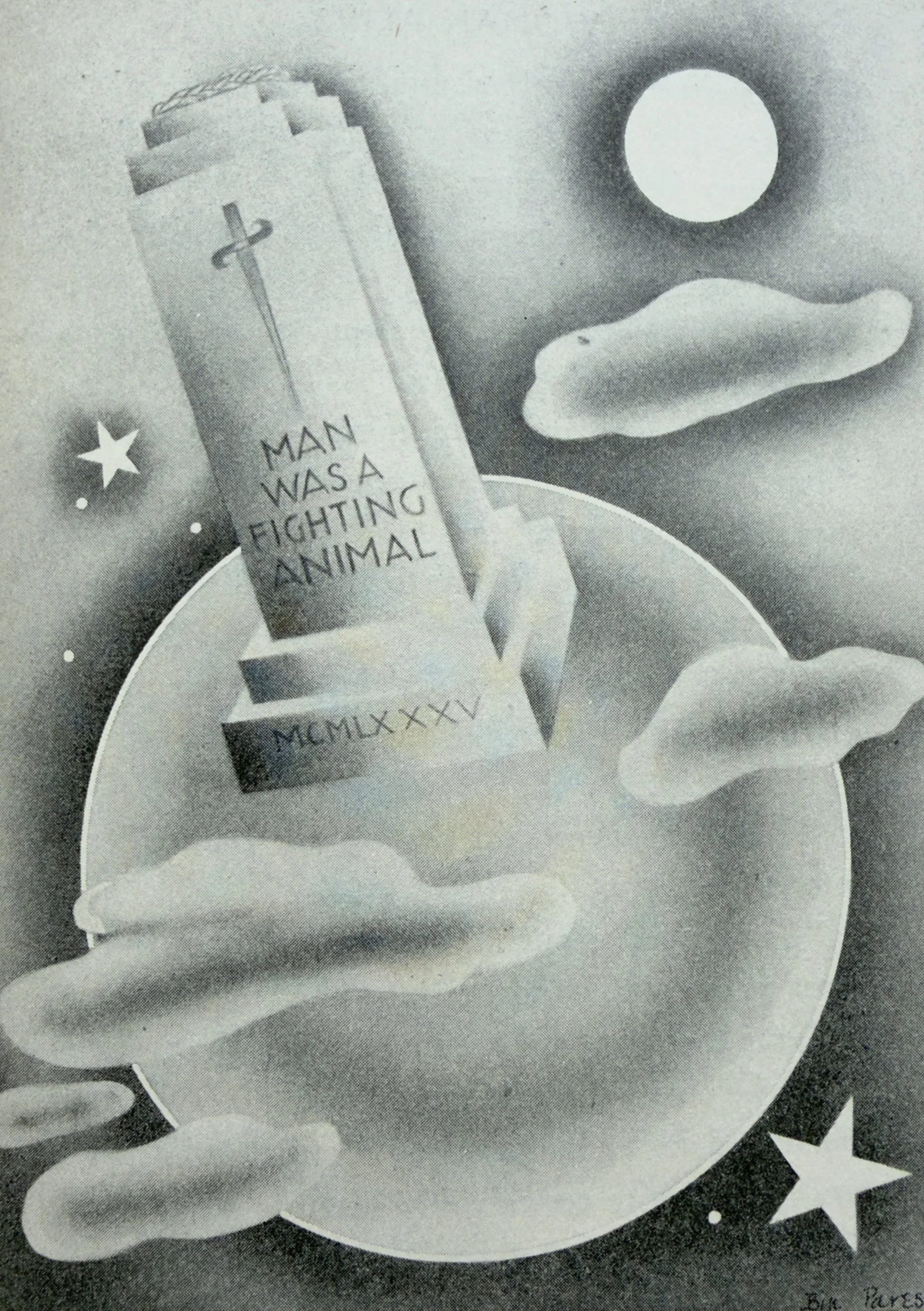 Image 8 of 9
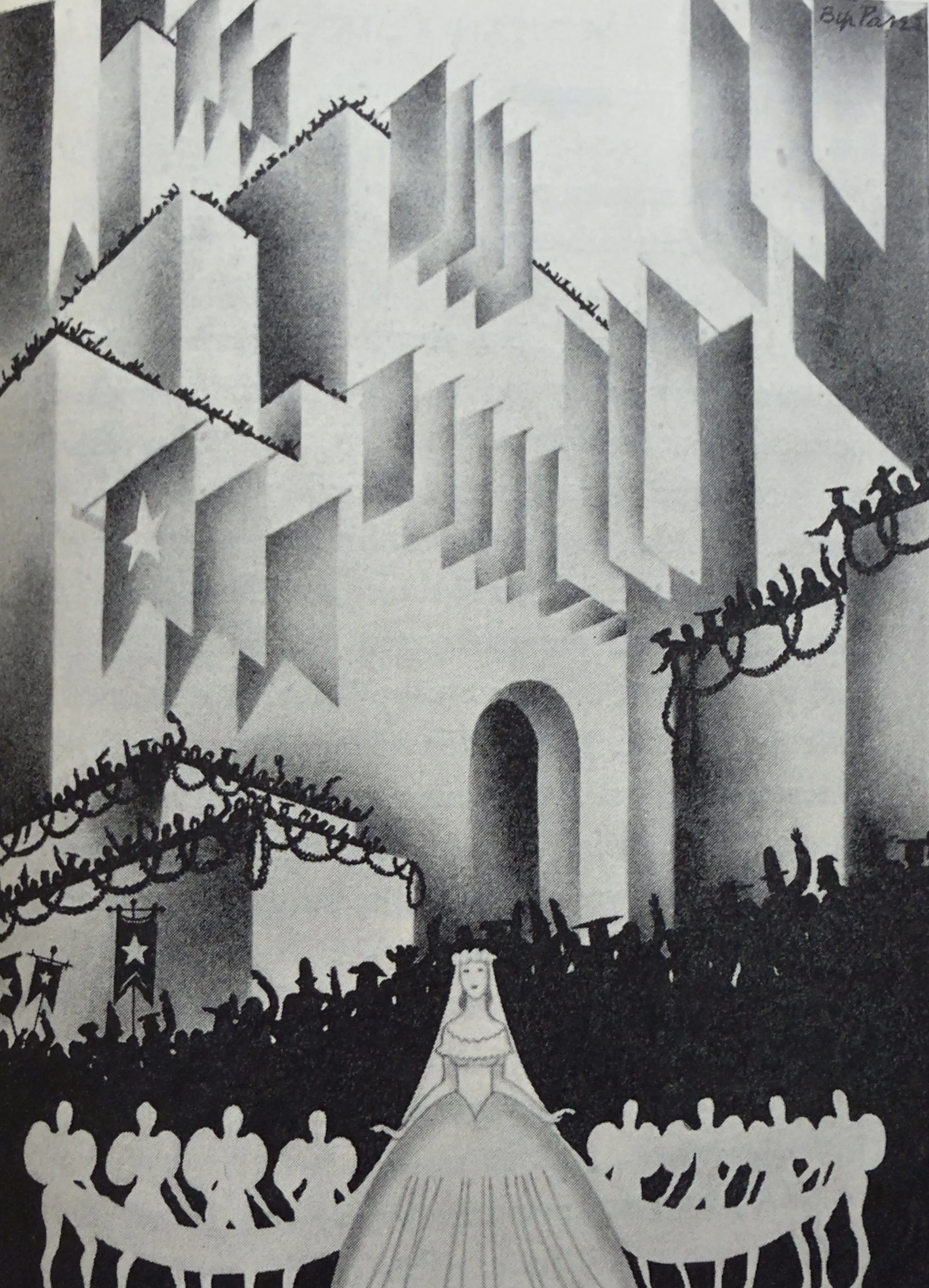 Image 9 of 9