
 Image 1 of 3
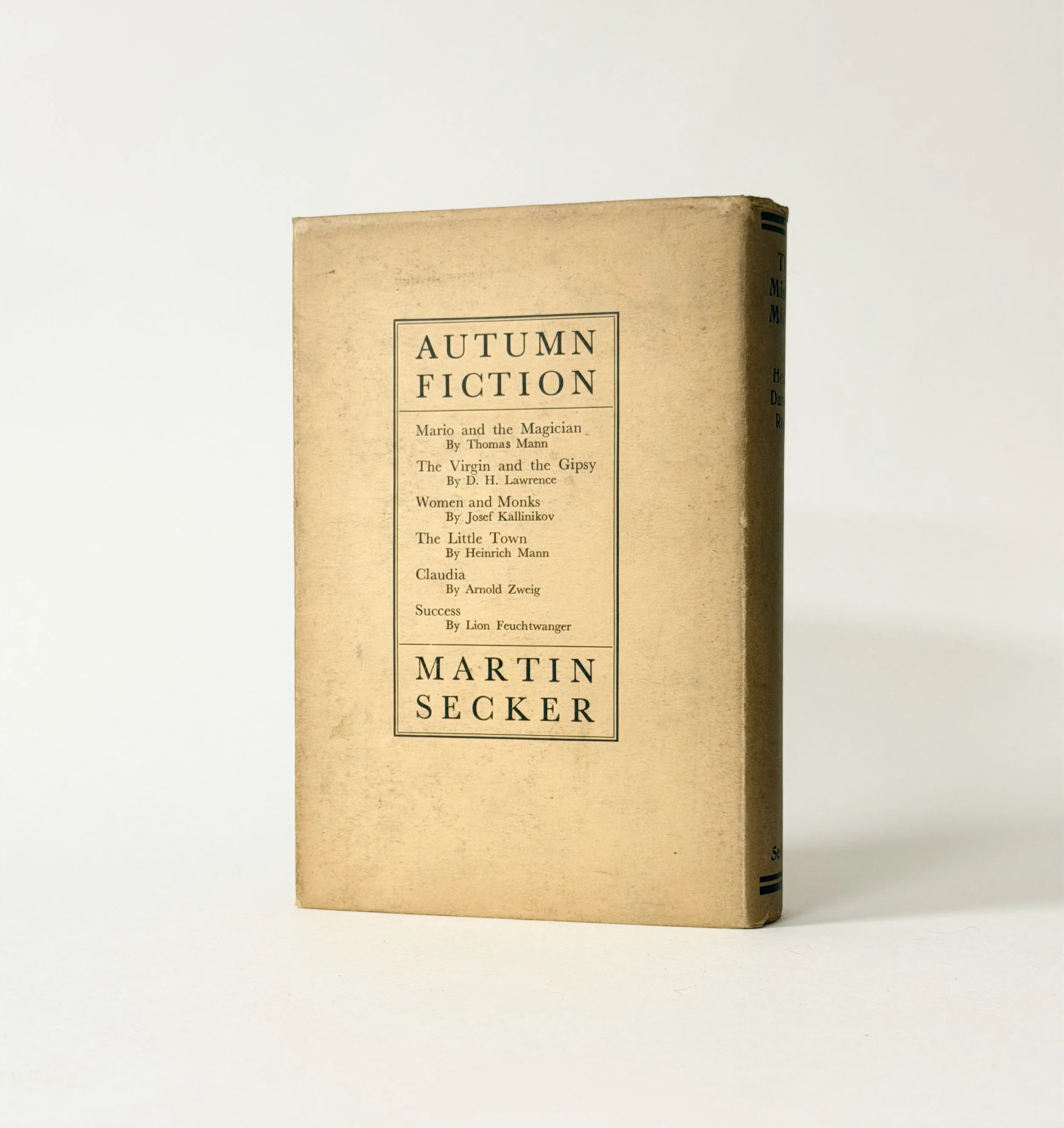 Image 2 of 3
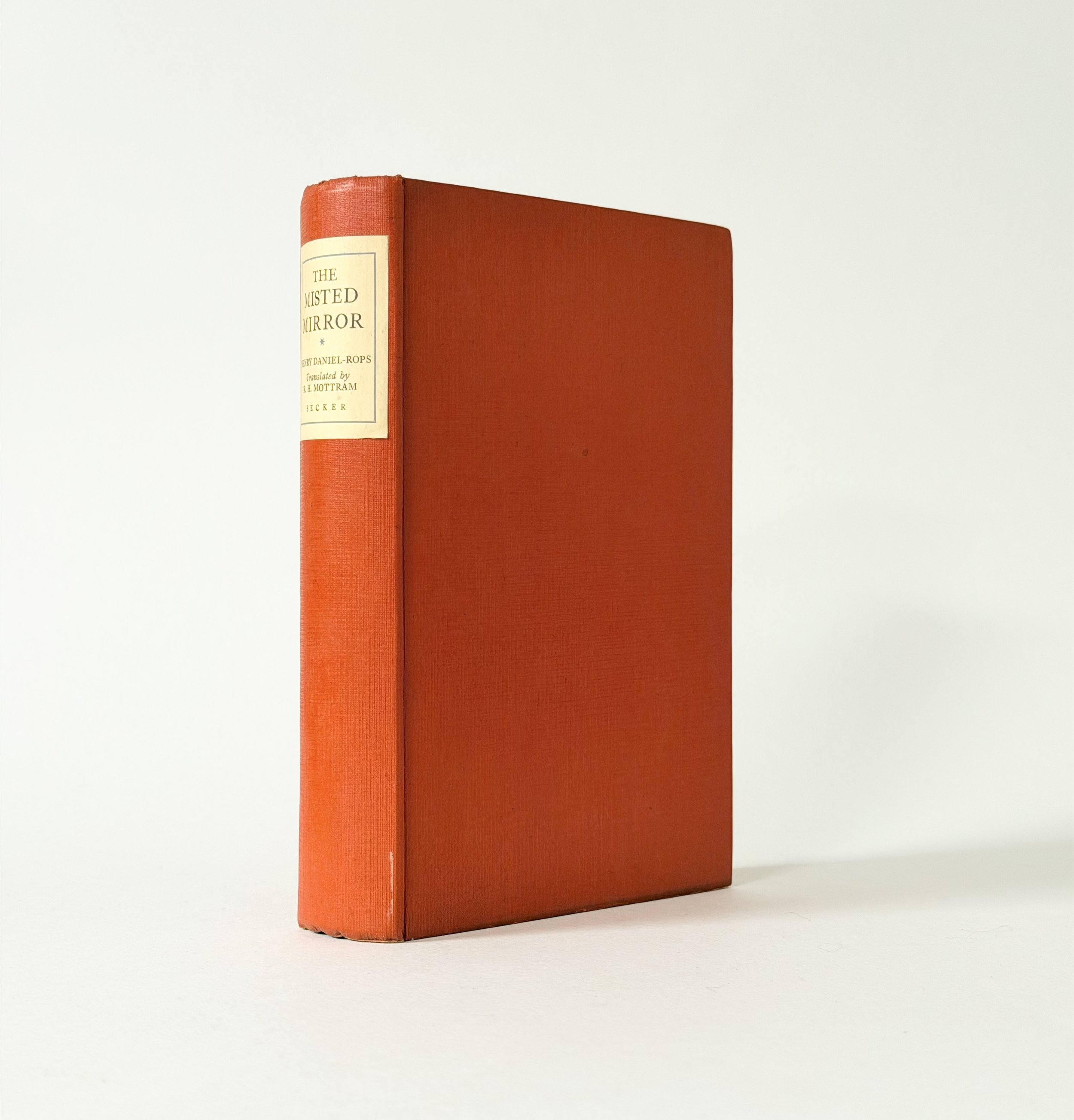 Image 3 of 3
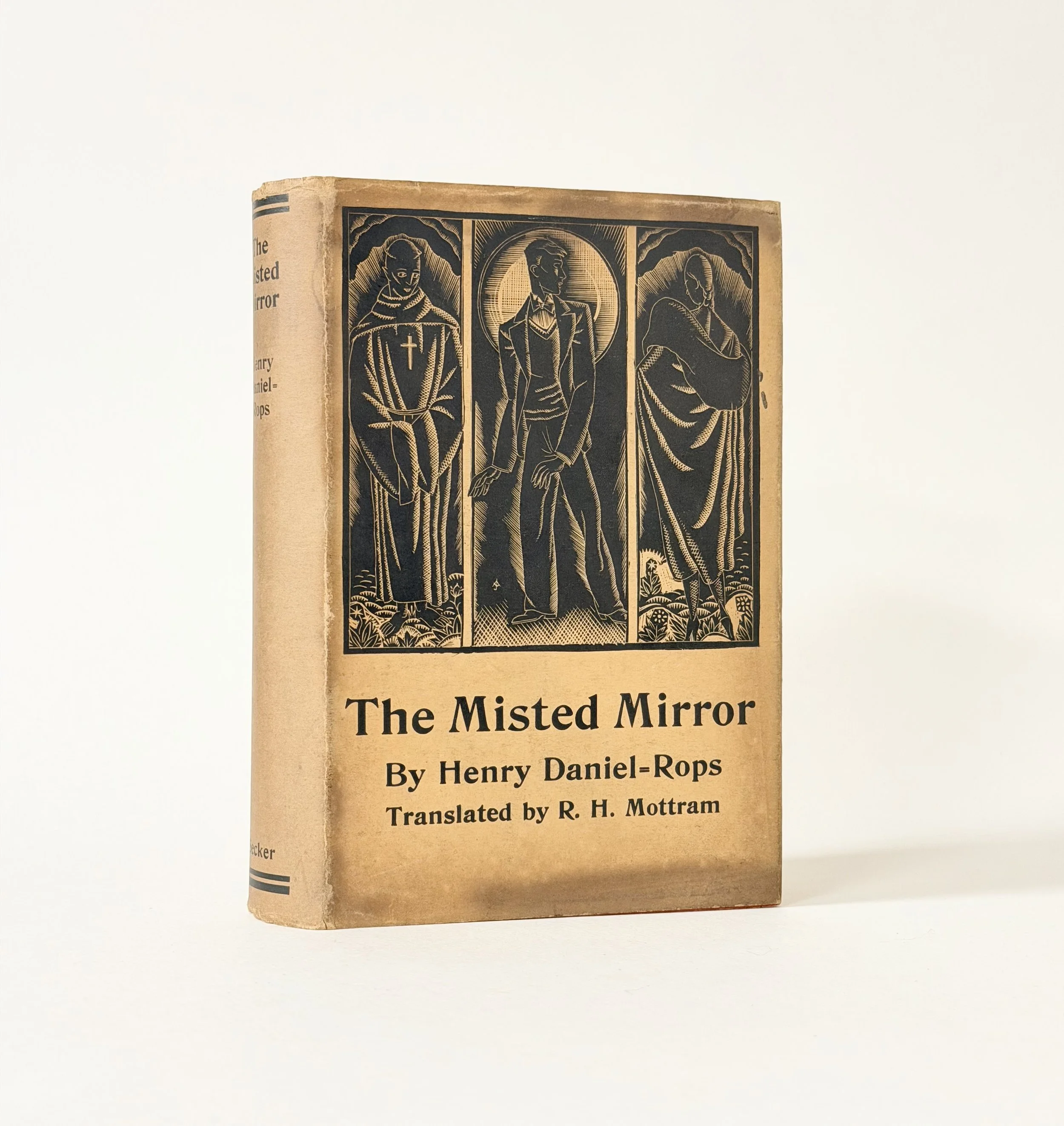
DANIEL-ROPS, Henry. The Misted Mirror. Trans. from the French with a preface by R. H. Mottram. London: Martin Secker. 1930. 8vo. First English language edition; first published one year prior under the title L’Ame Obscure. Publisher’s red cloth boards with paper label titles to spine, in the triptych dust jacket designed by John Austen. A very good copy. The cloth very clean and bright, the binding tight and square. The contents clean and fine throughout, though some mild offsetting to endpapers. The dust jacket unclipped (7s 6d net), darkened to spine and front panel extremities, gently rubbed, with discreet repairs to spine tips at verso.
The author’s first novel which follows Blaise Orlier in his desperate search for meaning and purpose in a world without answers. Seemingly thinly disguised autofiction, Orlier, like Daniel-Rops, was a part of the French generation ‘which, not old enough by a short period to share in the War, suffered all the spiritual, mental and moral strain of those years’. The French existential and absurdism that would be made popular by Jean-Paul Sartre and Albert Camus pervades this novel, but Daniel-Rops unlike them finds in his search not ‘the unreasonable silence of the world’ as former, but instead Catholicism, which he had previously turned away from more than a decade prior.