
 Image 1 of 5
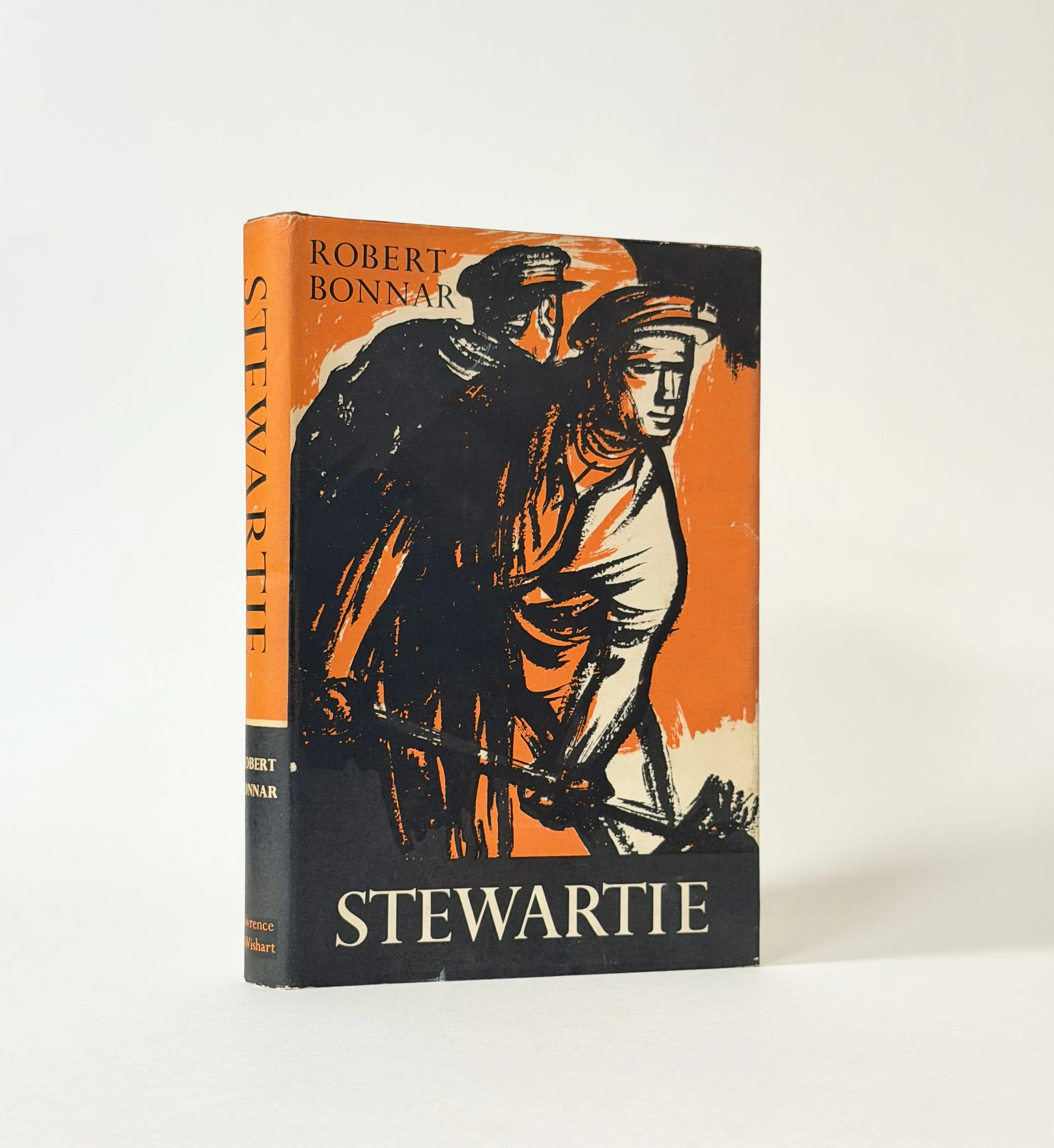 Image 2 of 5
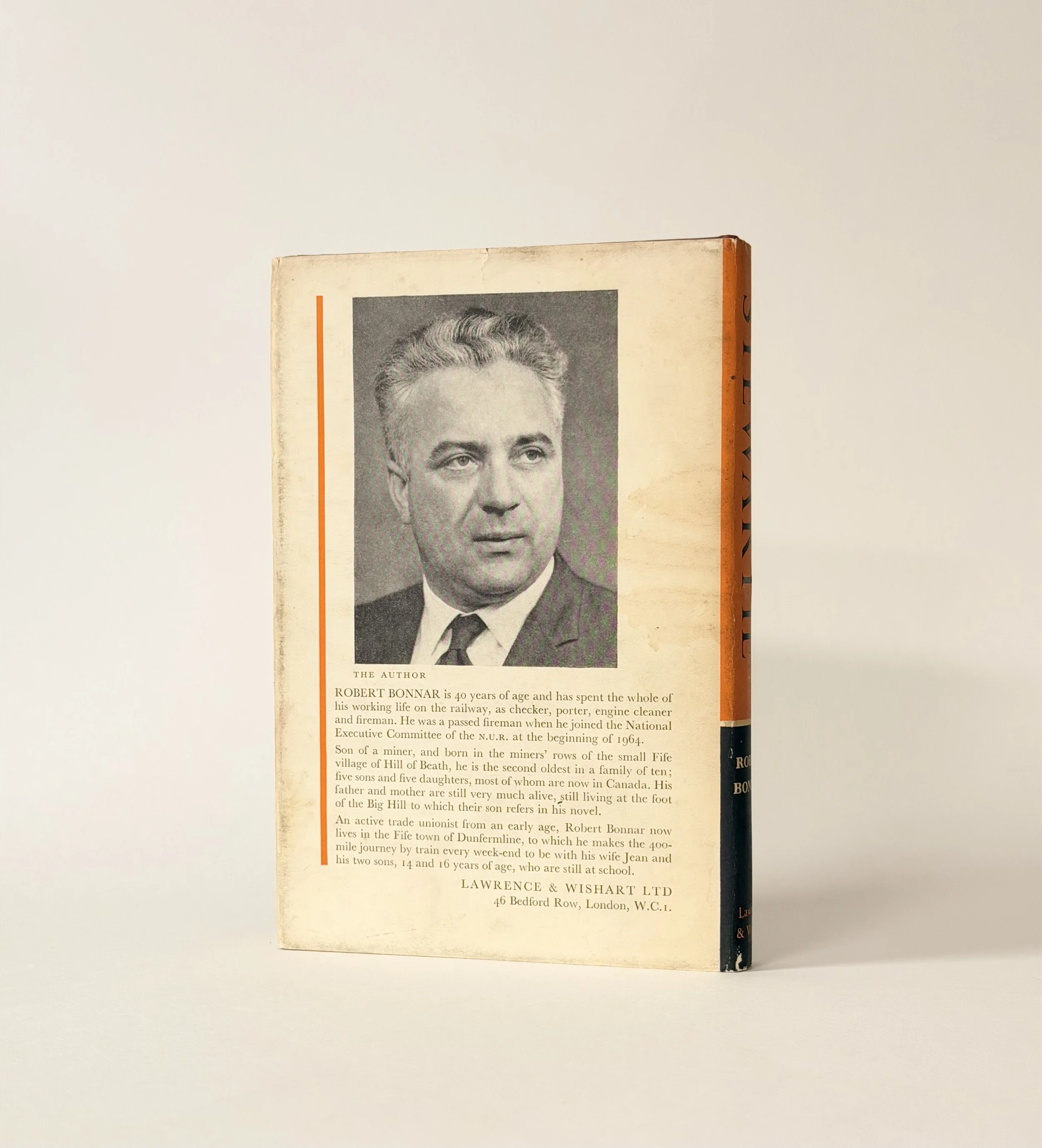 Image 3 of 5
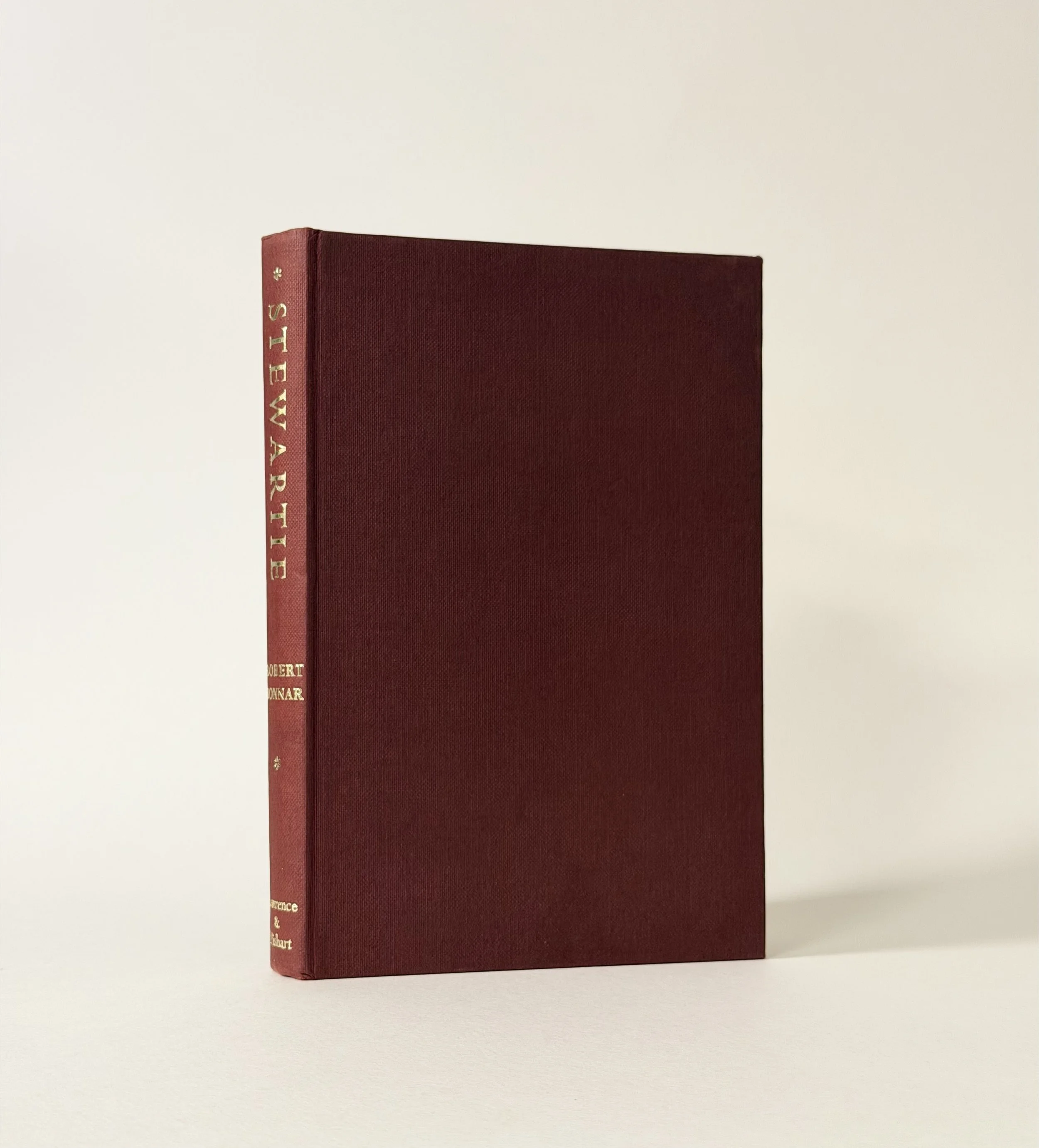 Image 4 of 5
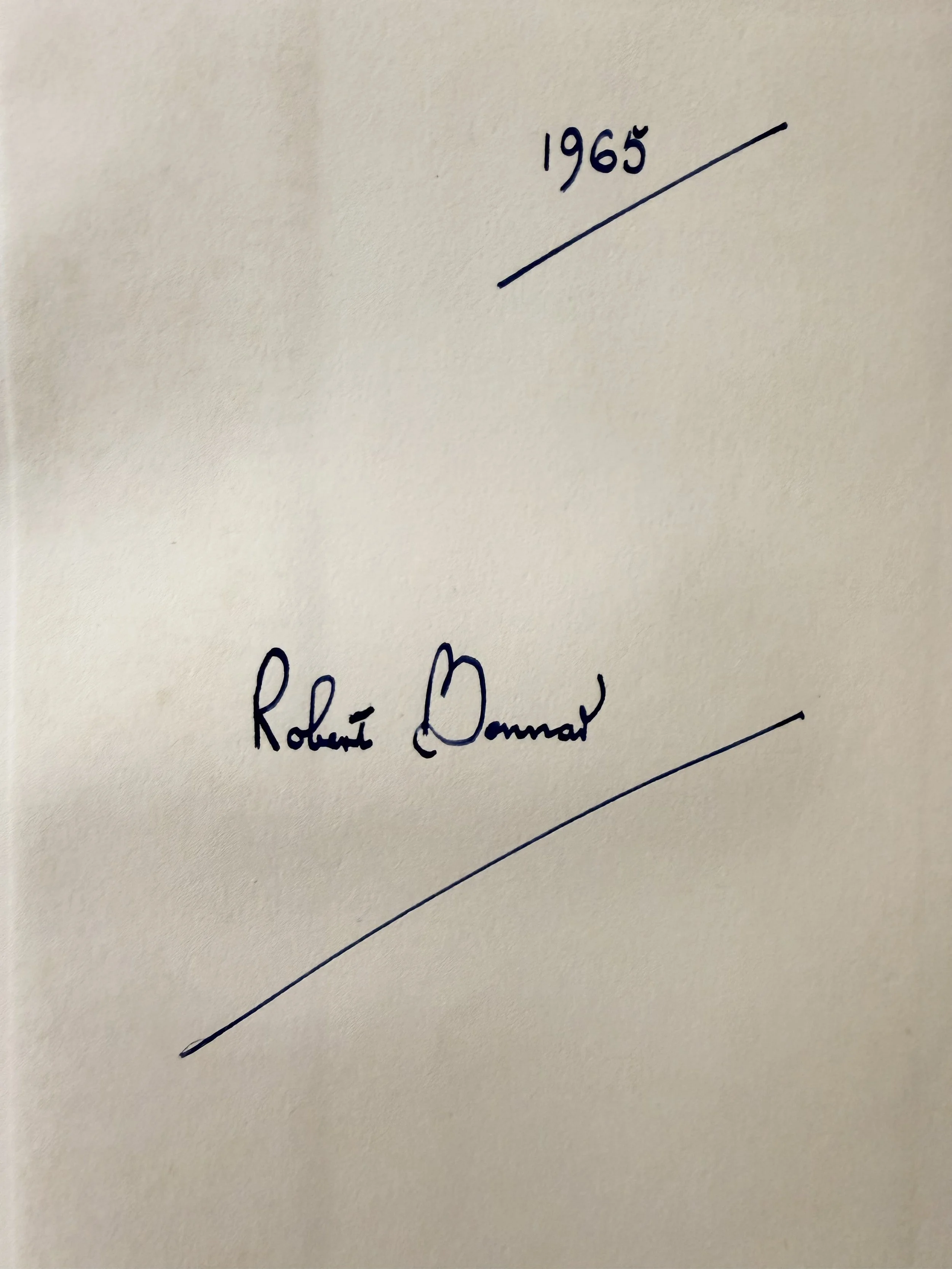 Image 5 of 5
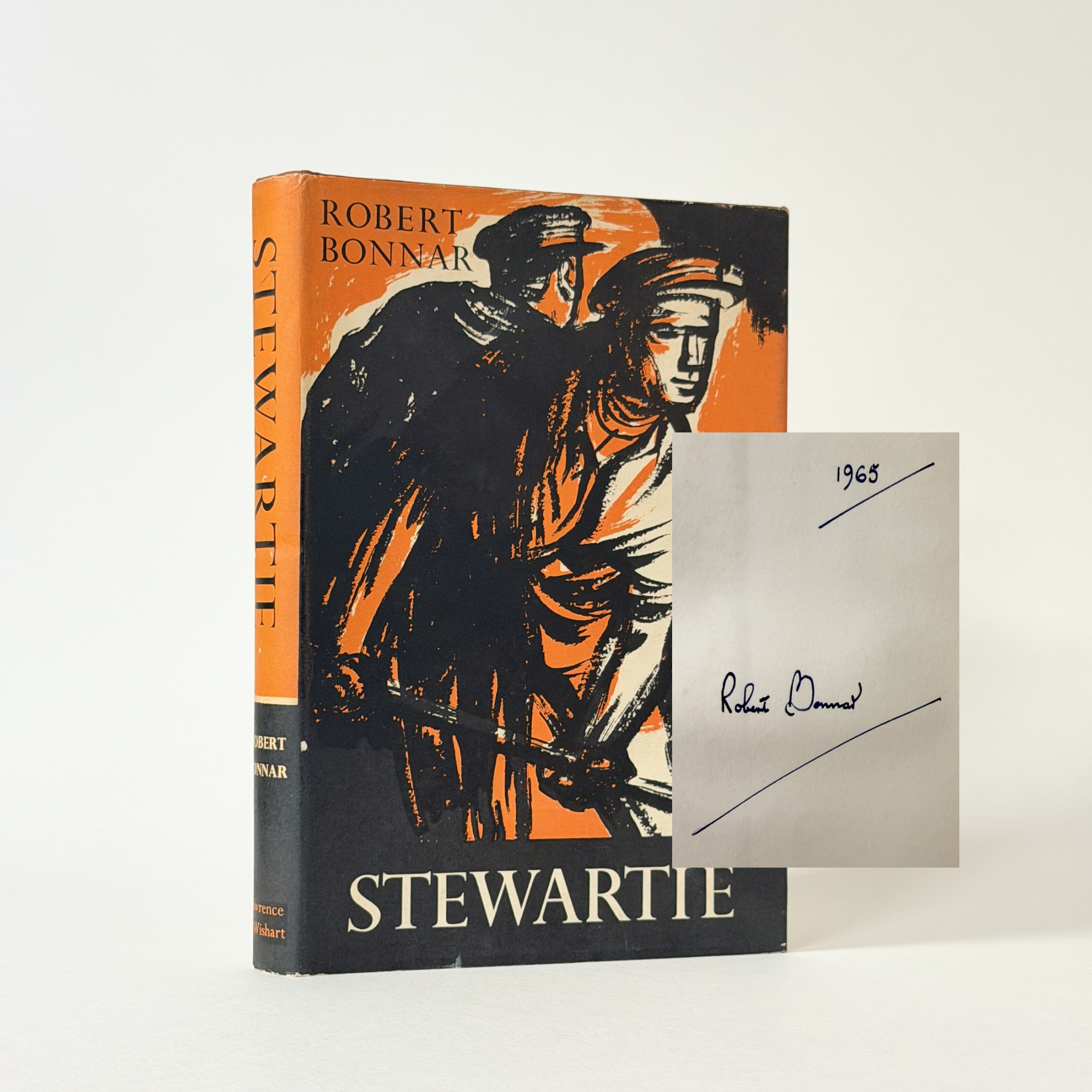
BONNAR, Robert. Stewartie. London: Lawrence and Wishart. 1964. 8vo. First edition. Publisher’s burgundy cloth lettered in gilt to the spine, in the striking dust jacket which goes uncredited. This copy signed and dated by the author in ink to the title page. A very good copy. The cloth clean and bright, boards a trifle bumped. The binding tight and square, with a few mild marks to top edge. The contents fine throughout. The dust jacket unclipped (21s net) with some trivial rubbing to extremities. A smart example.
The only novel by the Dunfermline trade unionist and railwayman. The story concerns a young cleaner and firer of railway engines and his infernal desire for the daughter of one of the higher-ups in the Local Committee who likes to have everything his own way. Labour Party corruption eventually leads our down-to-earth protagonist to join the Communist Party. Presumably somewhat autobiographical, much of Bonnar’s family emigrated to Canada—some making a name for themselves—and yet Robert never abandoned his proletarian roots, spending his entire life in and around the landscape and people he evidently so admired. Uncommon.
BONNAR, Robert. Stewartie. London: Lawrence and Wishart. 1964. 8vo. First edition. Publisher’s burgundy cloth lettered in gilt to the spine, in the striking dust jacket which goes uncredited. This copy signed and dated by the author in ink to the title page. A very good copy. The cloth clean and bright, boards a trifle bumped. The binding tight and square, with a few mild marks to top edge. The contents fine throughout. The dust jacket unclipped (21s net) with some trivial rubbing to extremities. A smart example.
The only novel by the Dunfermline trade unionist and railwayman. The story concerns a young cleaner and firer of railway engines and his infernal desire for the daughter of one of the higher-ups in the Local Committee who likes to have everything his own way. Labour Party corruption eventually leads our down-to-earth protagonist to join the Communist Party. Presumably somewhat autobiographical, much of Bonnar’s family emigrated to Canada—some making a name for themselves—and yet Robert never abandoned his proletarian roots, spending his entire life in and around the landscape and people he evidently so admired. Uncommon.