BALAZS, Bela. The Real Sky-Blue. Illustrated by Mary Shillabeer. London: John Lane at The Bodley Head. 1936. 4to. First British edition; first published in Germany under the title Das Richtige Himmelblau. Striking salmon pictorial boards in the dust jacket which follows the same design. A near fine example. The boards just gently bumped at the corners and tips with a couple of tiny marks to front board lower. The binding tight and square, the contents mostly fine, with ink ownership signature to front endpaper and a little foxing to endpapers. The scarce dust jacket unclipped (5s net) with a handful of small closed tears and gentle rubbing.
The Hungarian’s uncommon foray into children’s books, this off the back of his equally praised (by Thomas Mann, no less) The Cloak of Dreams (1922). Though fascinated by fairy stories, he remains predominantly known as an important film theorist and critic. Moving to Germany after the 1918-19 revolution in Hungary, Balazs started work writing for and about film, but found time to indulge in this more traditional art form. Amid the rise of the Nazis and due to his affiliations—he was a Communist and Jewish—he fled to the USSR where he settled, lecturing at the Moscow Film Academy. The book follows the overworked son of a washer woman, already tired by the start of school. The boy vows to paint his rich friend, but in borrowing his brushes and paint, the colour Prussian Blue goes missing. He elicits a secret in an old man; that for one minute per day, a vibrant new colour can be drawn from specific flowers—the real sky-blue—but in using it, our little protagonist finds his drawings come to life. Mary Shillabeer’s illustrations do their own form of reanimation, and include interactive plates—a rotating sky, a mural painted within a man’s top hat, and folding street scenes. Shillabeer trained at the Central School of Arts and Crafts, illustrating various children’s books from the 30s onwards, and later mixing illustration with sculpture by way of charming marionettes, now held at the Museum of Childhood in Edinburgh. A delightful example, scarce in the jacket.
BALAZS, Bela. The Real Sky-Blue. Illustrated by Mary Shillabeer. London: John Lane at The Bodley Head. 1936. 4to. First British edition; first published in Germany under the title Das Richtige Himmelblau. Striking salmon pictorial boards in the dust jacket which follows the same design. A near fine example. The boards just gently bumped at the corners and tips with a couple of tiny marks to front board lower. The binding tight and square, the contents mostly fine, with ink ownership signature to front endpaper and a little foxing to endpapers. The scarce dust jacket unclipped (5s net) with a handful of small closed tears and gentle rubbing.
The Hungarian’s uncommon foray into children’s books, this off the back of his equally praised (by Thomas Mann, no less) The Cloak of Dreams (1922). Though fascinated by fairy stories, he remains predominantly known as an important film theorist and critic. Moving to Germany after the 1918-19 revolution in Hungary, Balazs started work writing for and about film, but found time to indulge in this more traditional art form. Amid the rise of the Nazis and due to his affiliations—he was a Communist and Jewish—he fled to the USSR where he settled, lecturing at the Moscow Film Academy. The book follows the overworked son of a washer woman, already tired by the start of school. The boy vows to paint his rich friend, but in borrowing his brushes and paint, the colour Prussian Blue goes missing. He elicits a secret in an old man; that for one minute per day, a vibrant new colour can be drawn from specific flowers—the real sky-blue—but in using it, our little protagonist finds his drawings come to life. Mary Shillabeer’s illustrations do their own form of reanimation, and include interactive plates—a rotating sky, a mural painted within a man’s top hat, and folding street scenes. Shillabeer trained at the Central School of Arts and Crafts, illustrating various children’s books from the 30s onwards, and later mixing illustration with sculpture by way of charming marionettes, now held at the Museum of Childhood in Edinburgh. A delightful example, scarce in the jacket.

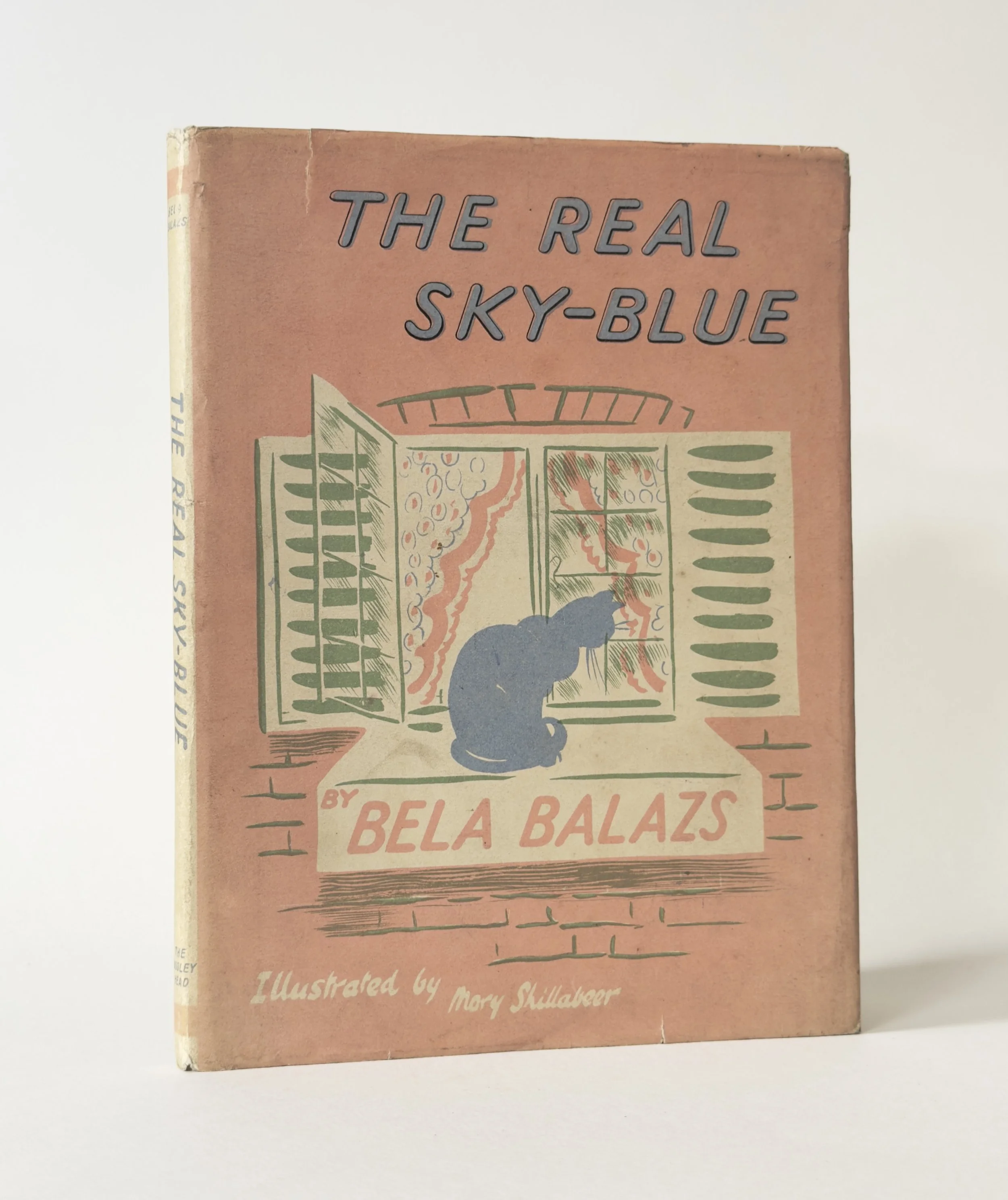 Image 1 of 6
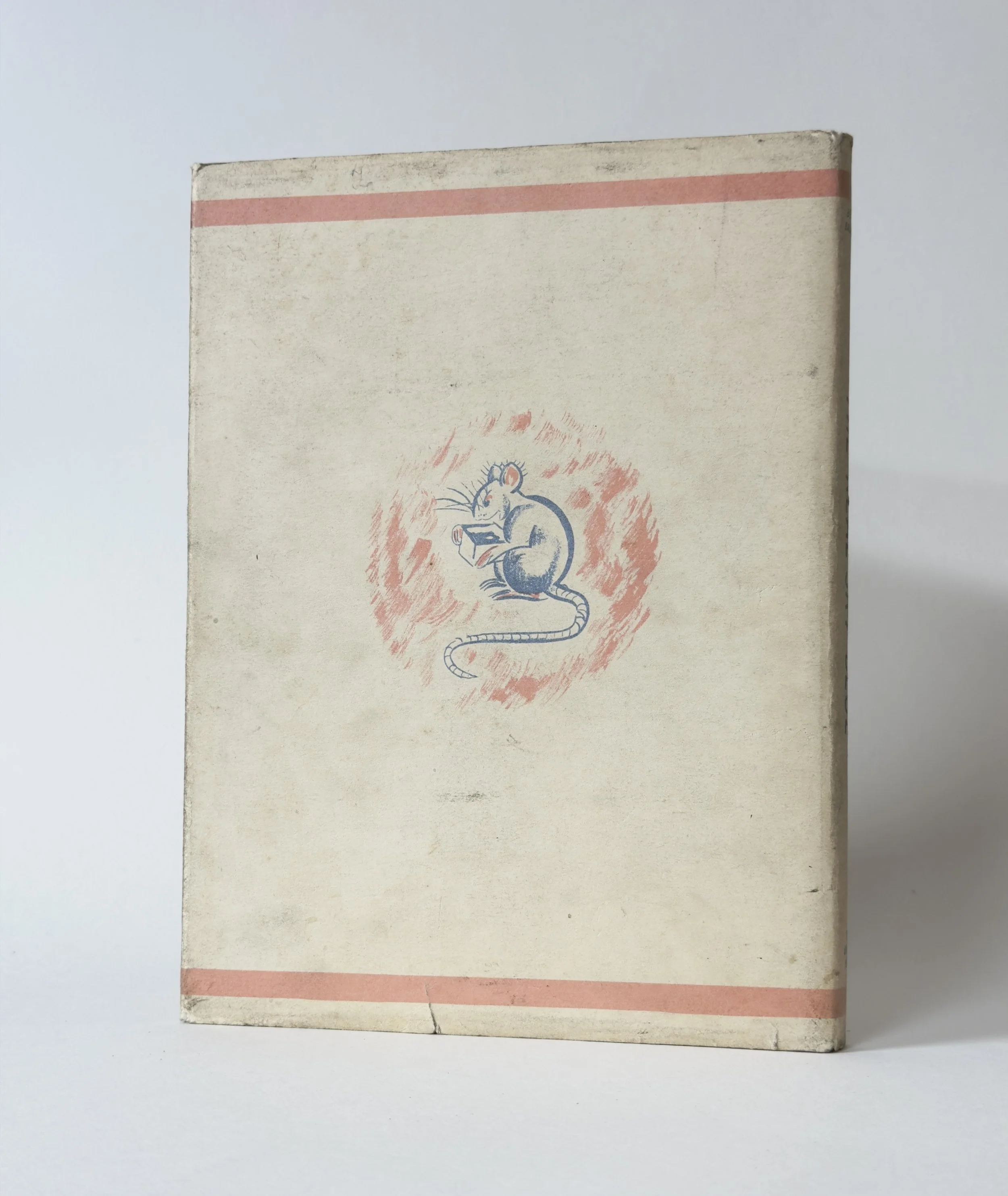 Image 2 of 6
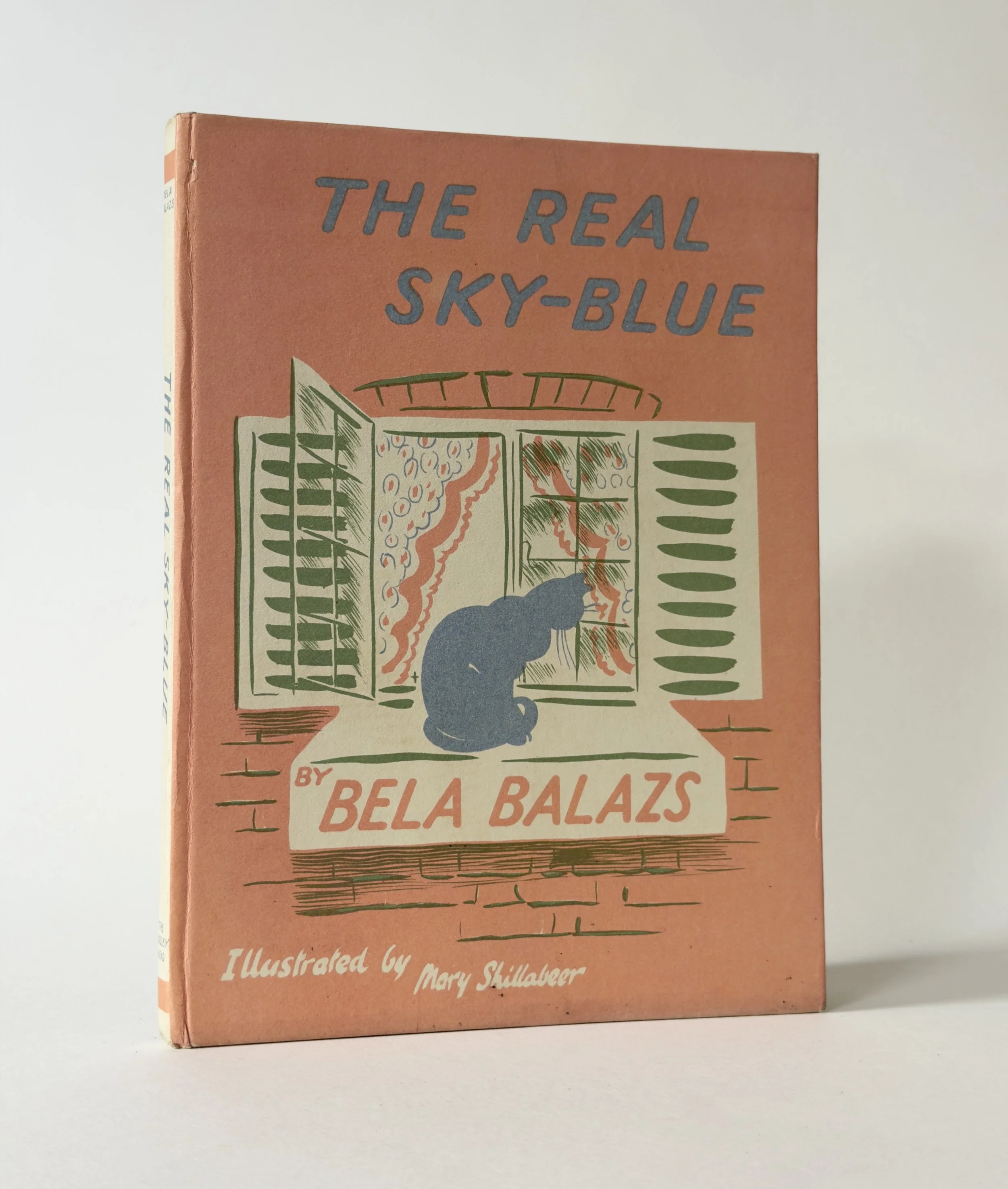 Image 3 of 6
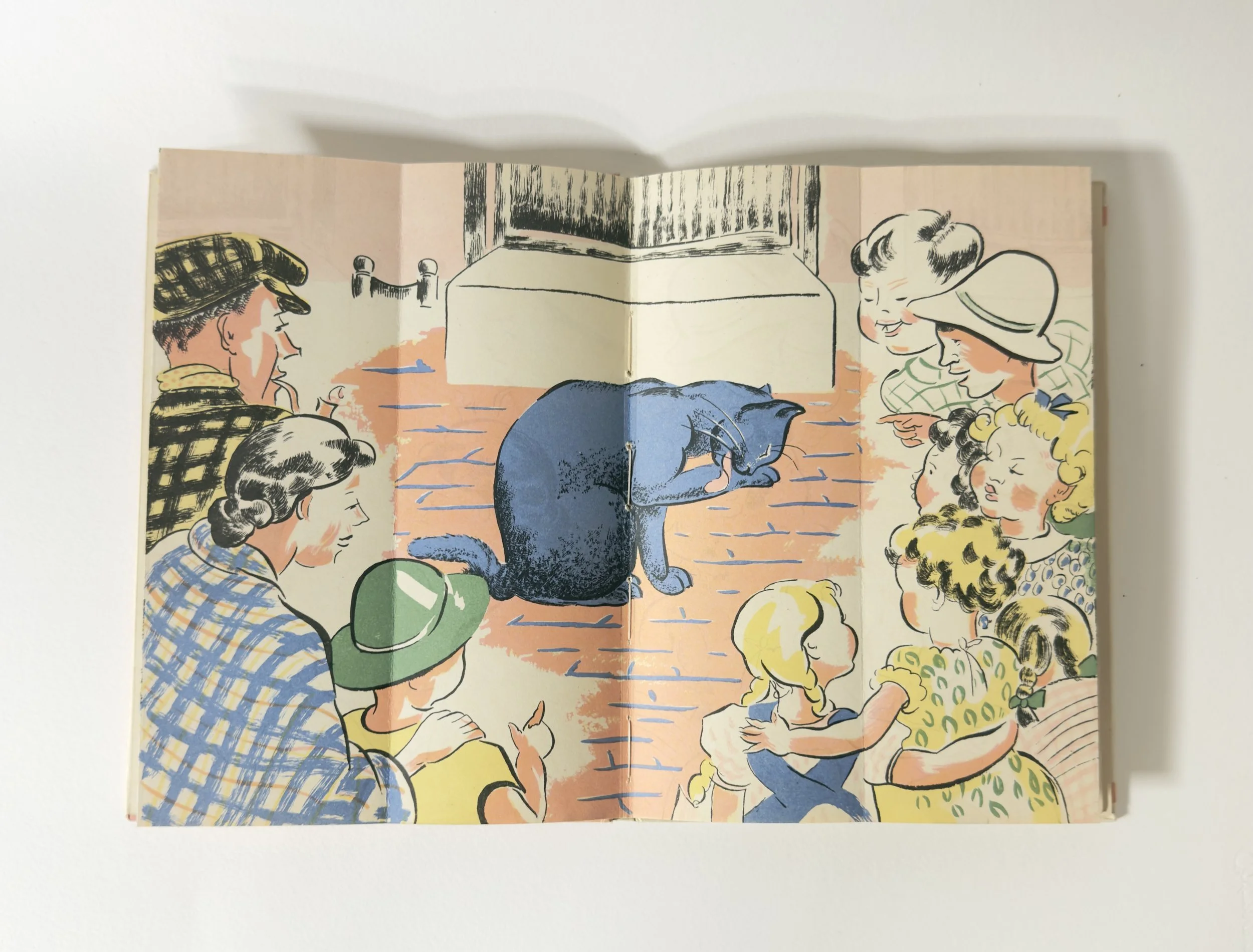 Image 4 of 6
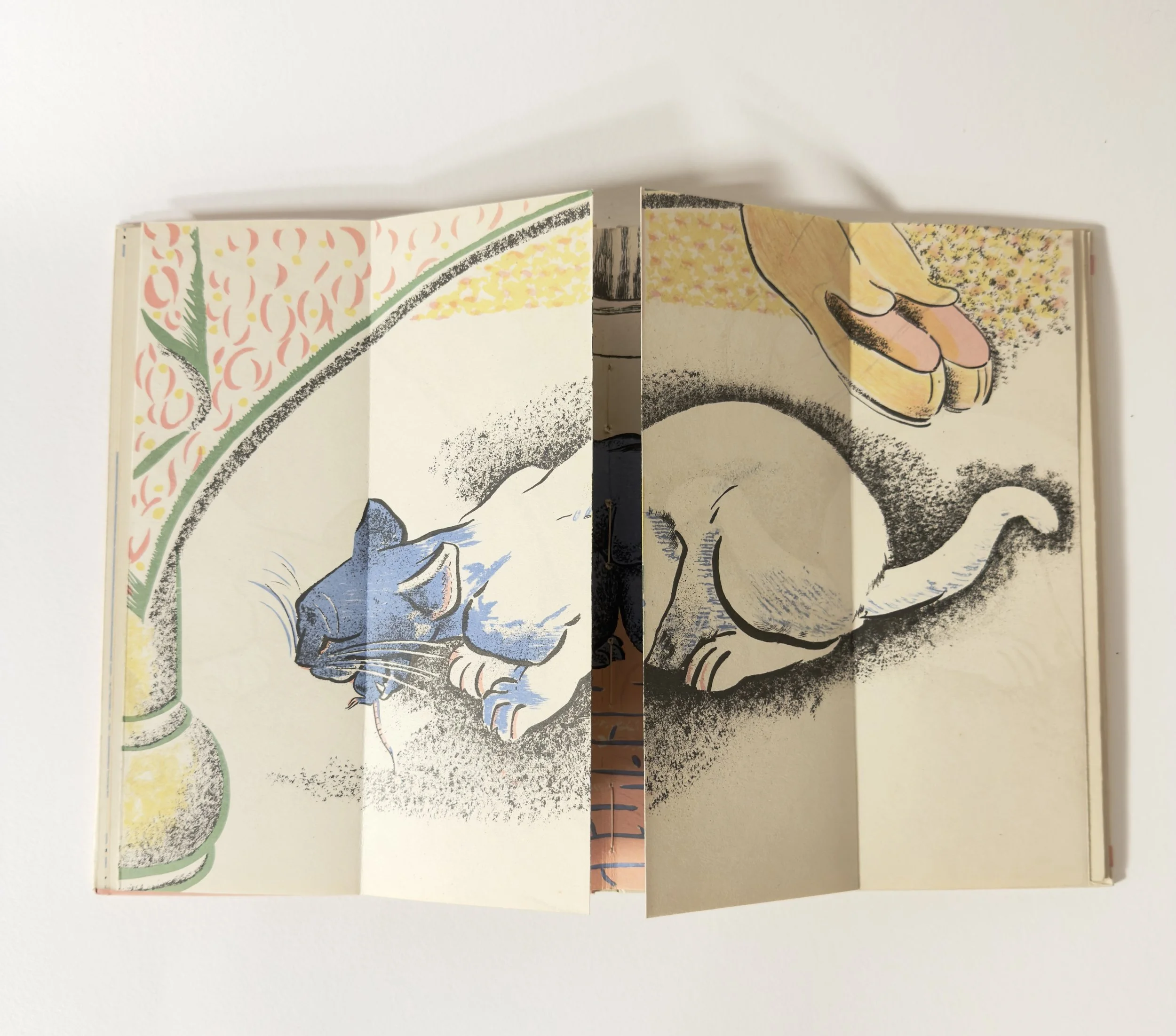 Image 5 of 6
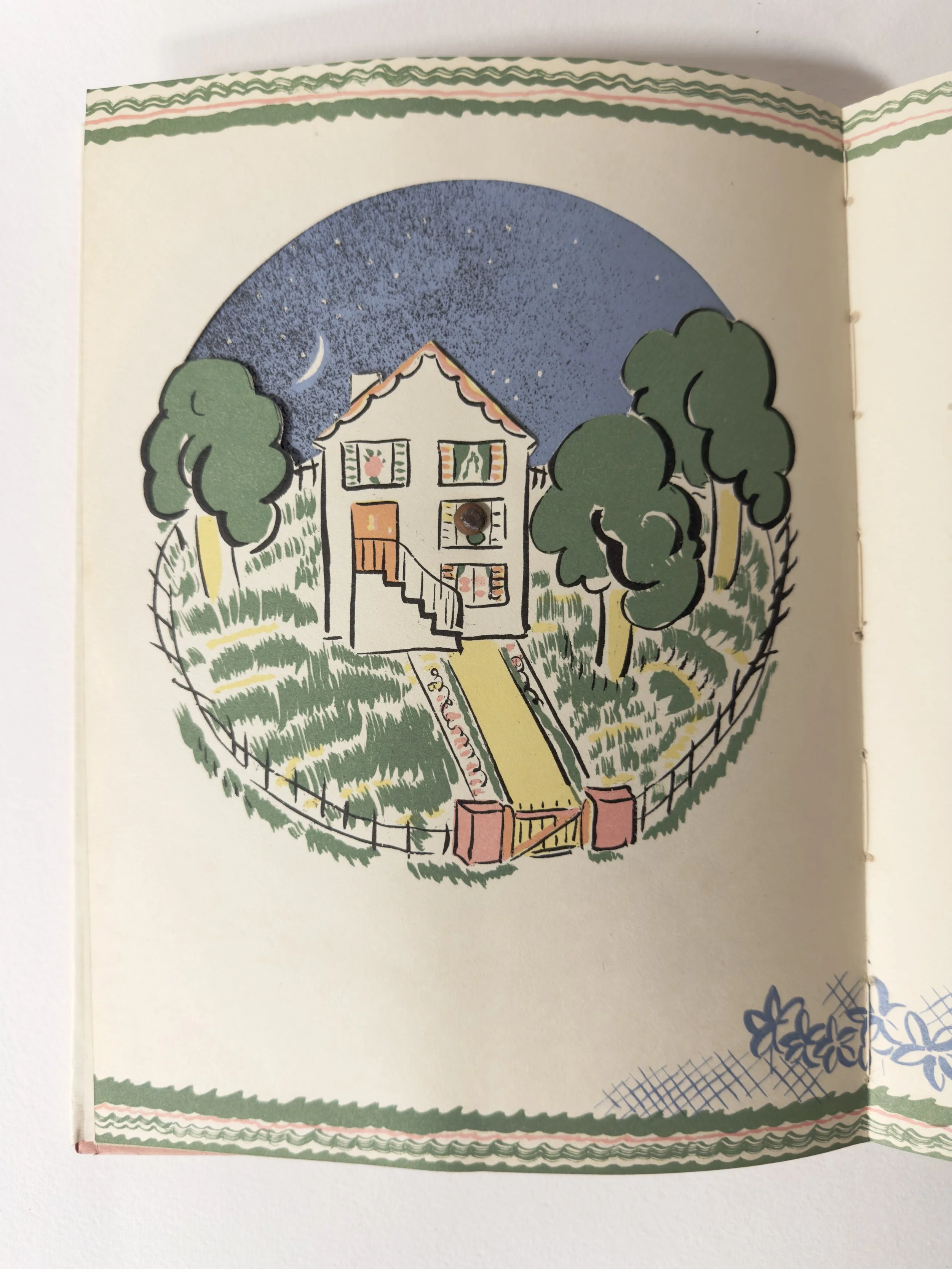 Image 6 of 6