
 Image 1 of 4
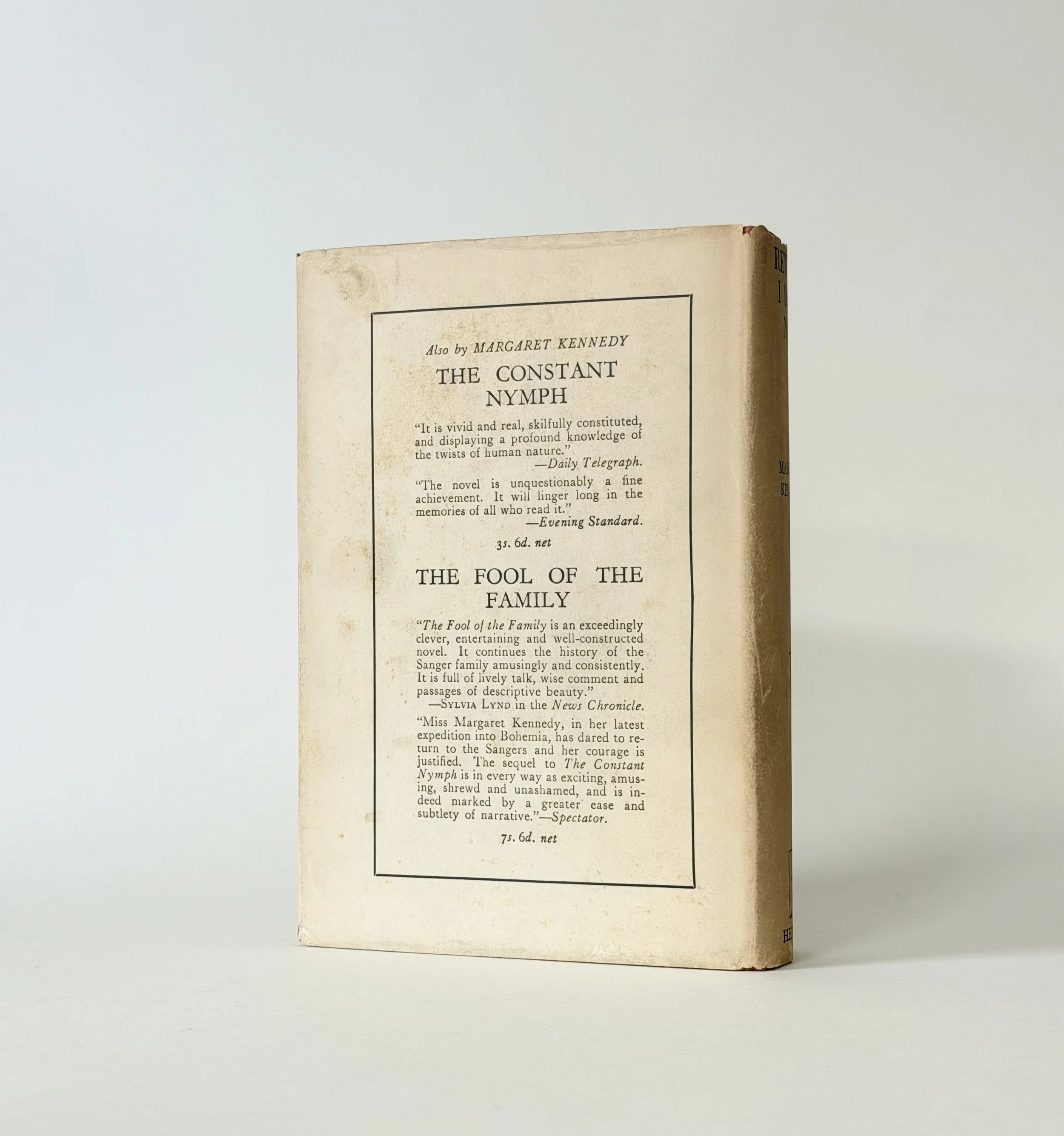 Image 2 of 4
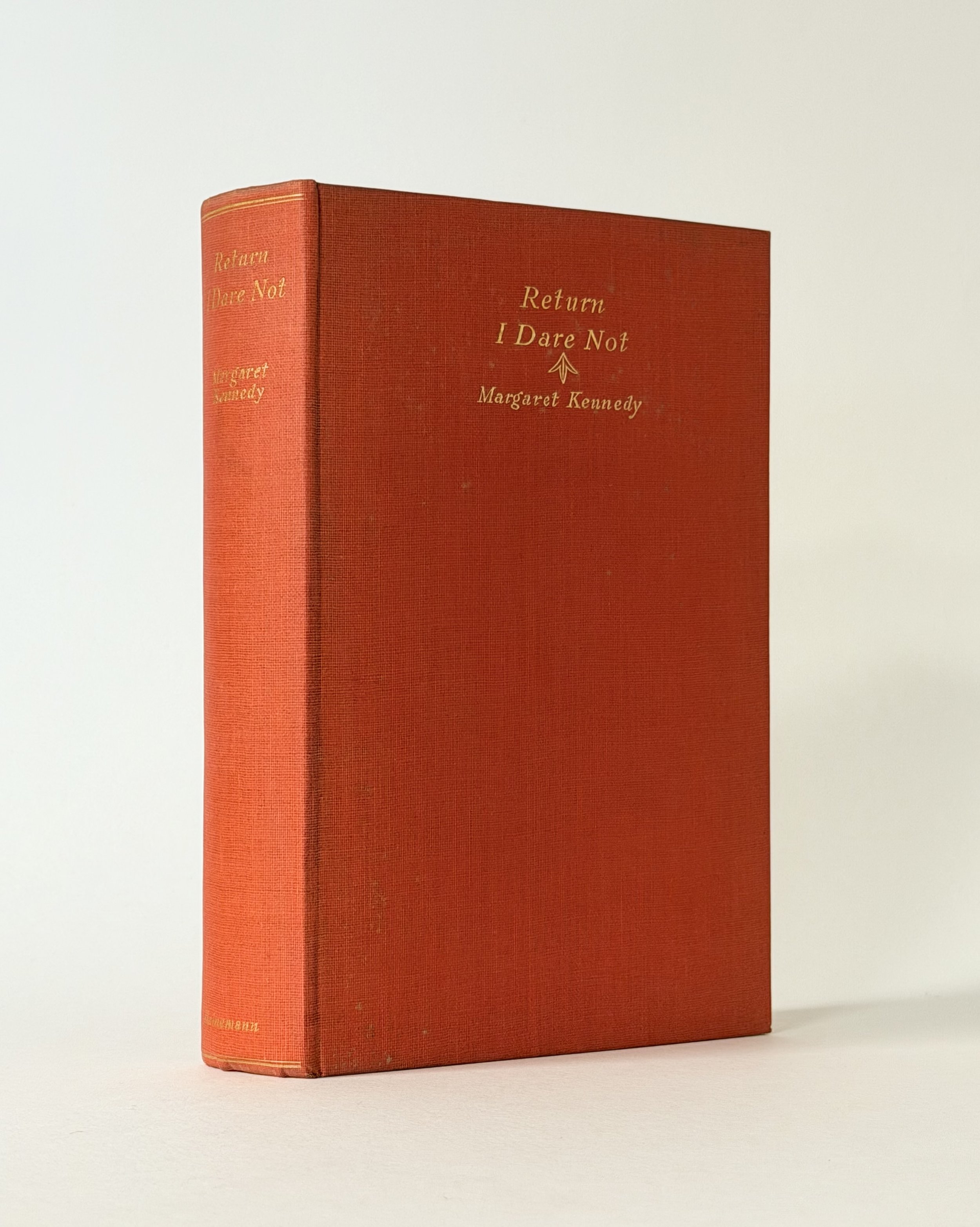 Image 3 of 4
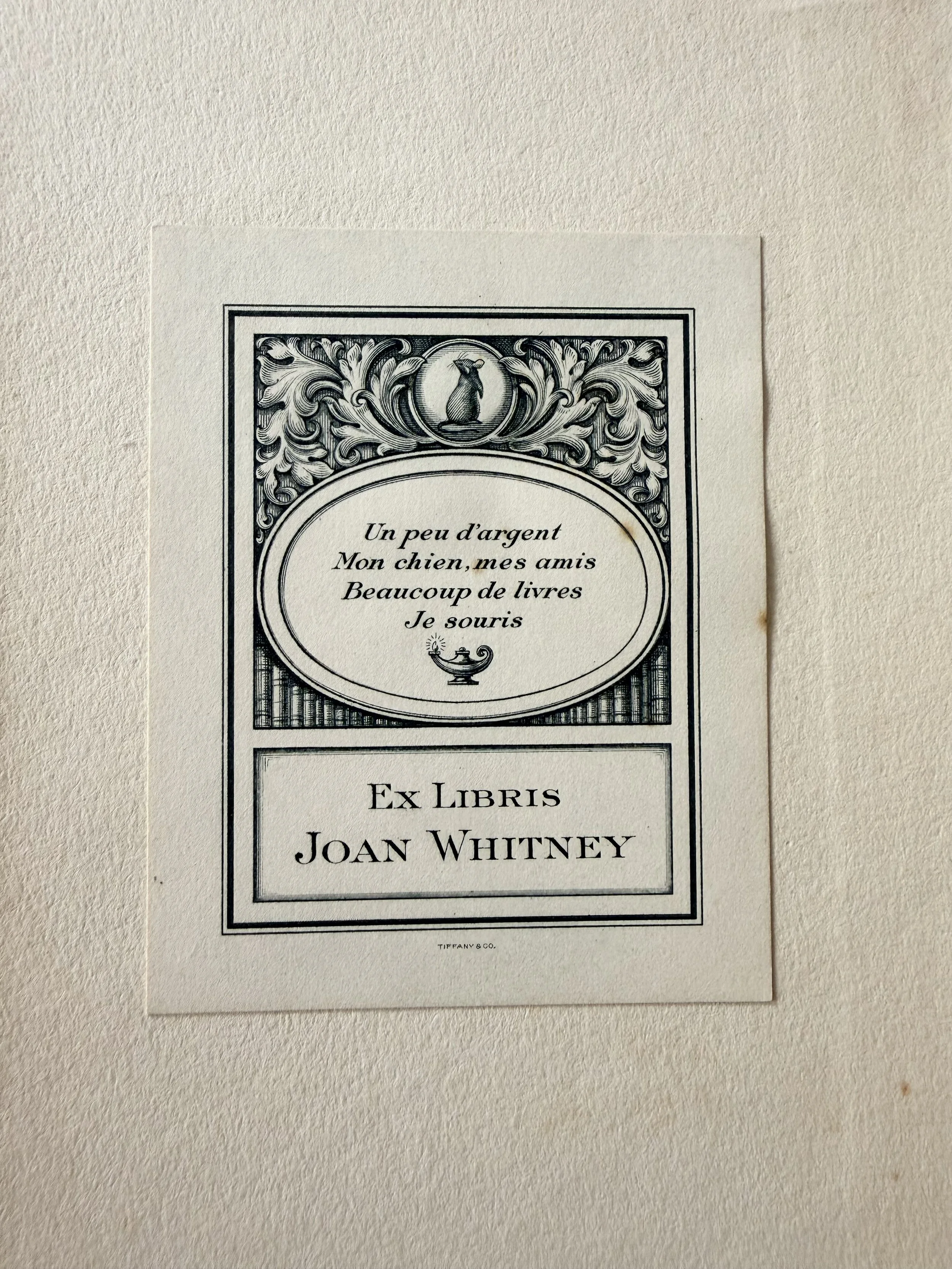 Image 4 of 4
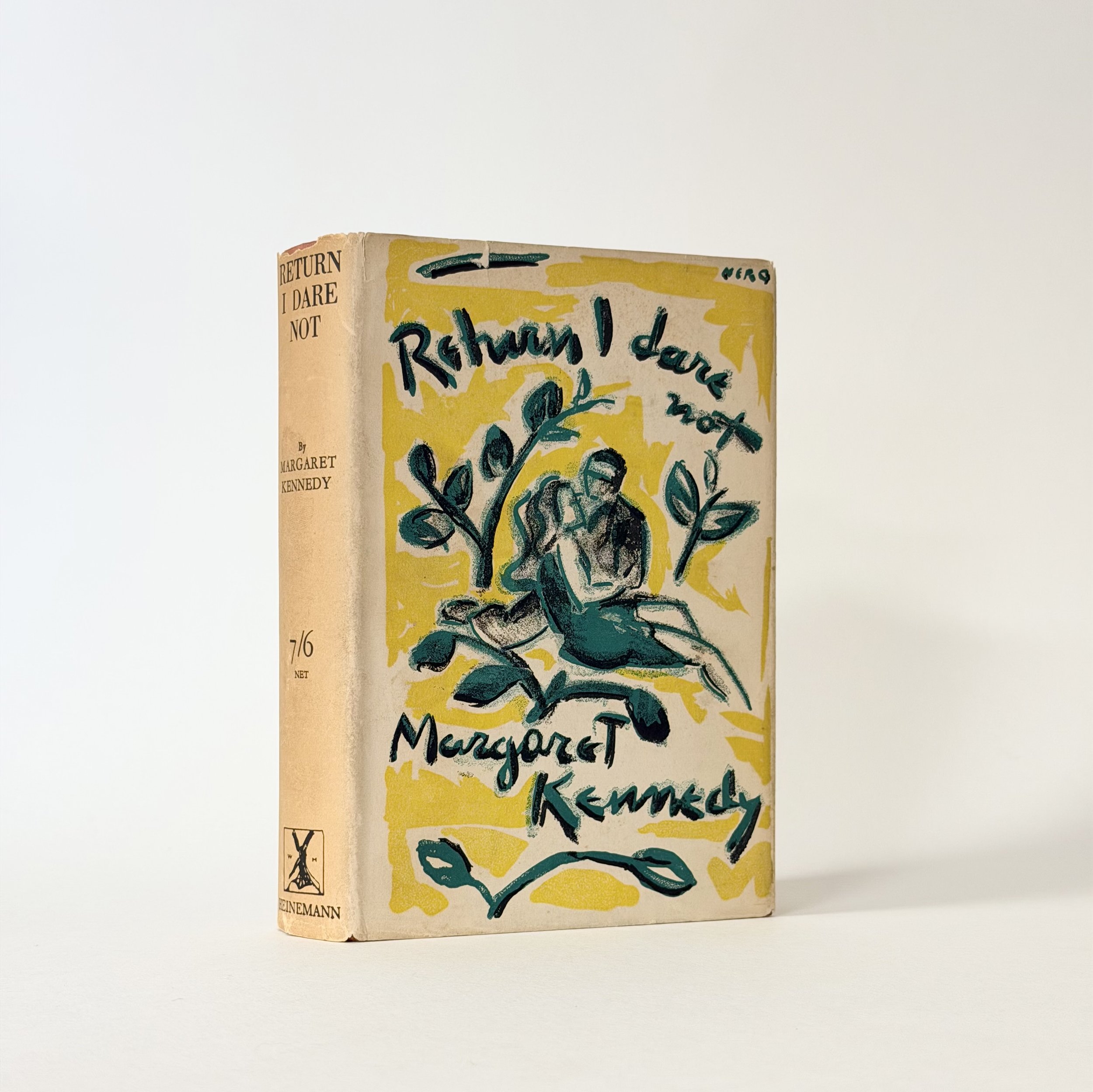
KENNEDY, Margaret. Return I Dare Not. London: Heinemann. 1931. 8vo. First edition. Publisher’s red cloth lettered in gilt to the spine and upper board, in the terrific dust jacket designed by ‘Nero’. A very good or better copy. The boards with a few speckled stains, a trifle pushed at tips. The binding tight and square, the red topstain bright, the bottom edge with a handful of spots. The contents clean and fine throughout, with delightful Tiffany & Co.-designed bookplate of Joan Whitney [Payson], the American heiress and patron of the arts. The dust jacket priced 7/6 net to spine. Some light chips and nicks to the corners and tips, the spine a touch toned, but a bright and pleasing example.
The author’s fifth novel, a psychologically acute story of Hugo Pott, the darling of London’s theatre scene who, though entirely unspoiled by his newfound fame, money, and shoulder-rubbing with the literati, begins to conceptualise his genuine-good-guy personality could indeed be an act. Kennedy’s prose often preoccupies itself with the suppression of social expectations, and one wonders if this device, and indeed the overall theme here, is in some way autobiographical—though Kennedy befriended university contemporaries, Vera Brittain, Naomi Mitchison, and Winifred Holtby (to name but a few), she had just recently shot to literary fame through the publication of her best-selling novel The Constant Nymph (1924). Kennedy’s earliest break came via John Lehmann, who had adopted her as his daughter in professional terms, publishing several stories in his various publishing capacities. The dust jacket designer is a mystery to us. Scarce.
KENNEDY, Margaret. Return I Dare Not. London: Heinemann. 1931. 8vo. First edition. Publisher’s red cloth lettered in gilt to the spine and upper board, in the terrific dust jacket designed by ‘Nero’. A very good or better copy. The boards with a few speckled stains, a trifle pushed at tips. The binding tight and square, the red topstain bright, the bottom edge with a handful of spots. The contents clean and fine throughout, with delightful Tiffany & Co.-designed bookplate of Joan Whitney [Payson], the American heiress and patron of the arts. The dust jacket priced 7/6 net to spine. Some light chips and nicks to the corners and tips, the spine a touch toned, but a bright and pleasing example.
The author’s fifth novel, a psychologically acute story of Hugo Pott, the darling of London’s theatre scene who, though entirely unspoiled by his newfound fame, money, and shoulder-rubbing with the literati, begins to conceptualise his genuine-good-guy personality could indeed be an act. Kennedy’s prose often preoccupies itself with the suppression of social expectations, and one wonders if this device, and indeed the overall theme here, is in some way autobiographical—though Kennedy befriended university contemporaries, Vera Brittain, Naomi Mitchison, and Winifred Holtby (to name but a few), she had just recently shot to literary fame through the publication of her best-selling novel The Constant Nymph (1924). Kennedy’s earliest break came via John Lehmann, who had adopted her as his daughter in professional terms, publishing several stories in his various publishing capacities. The dust jacket designer is a mystery to us. Scarce.