
 Image 1 of 5
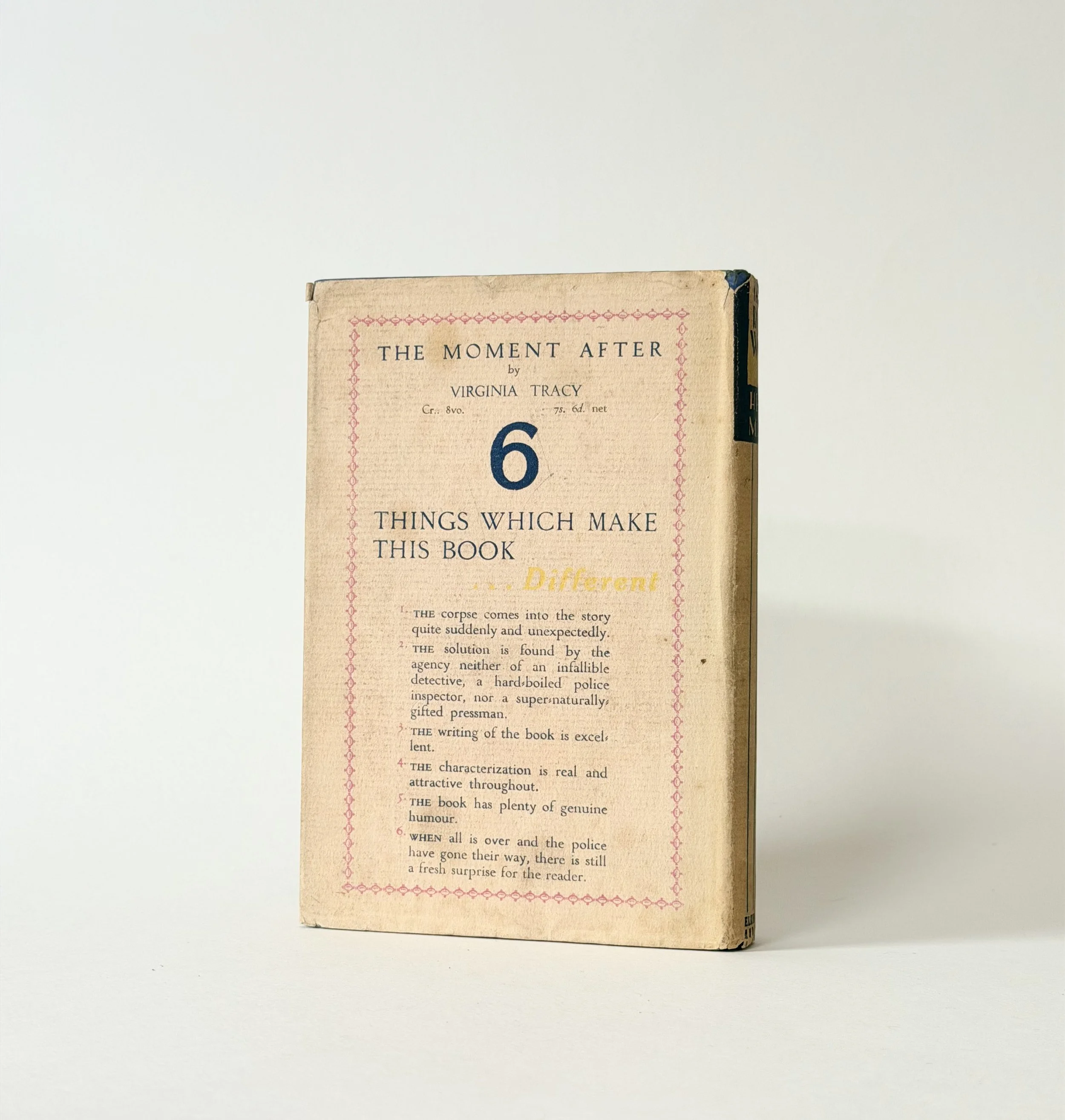 Image 2 of 5
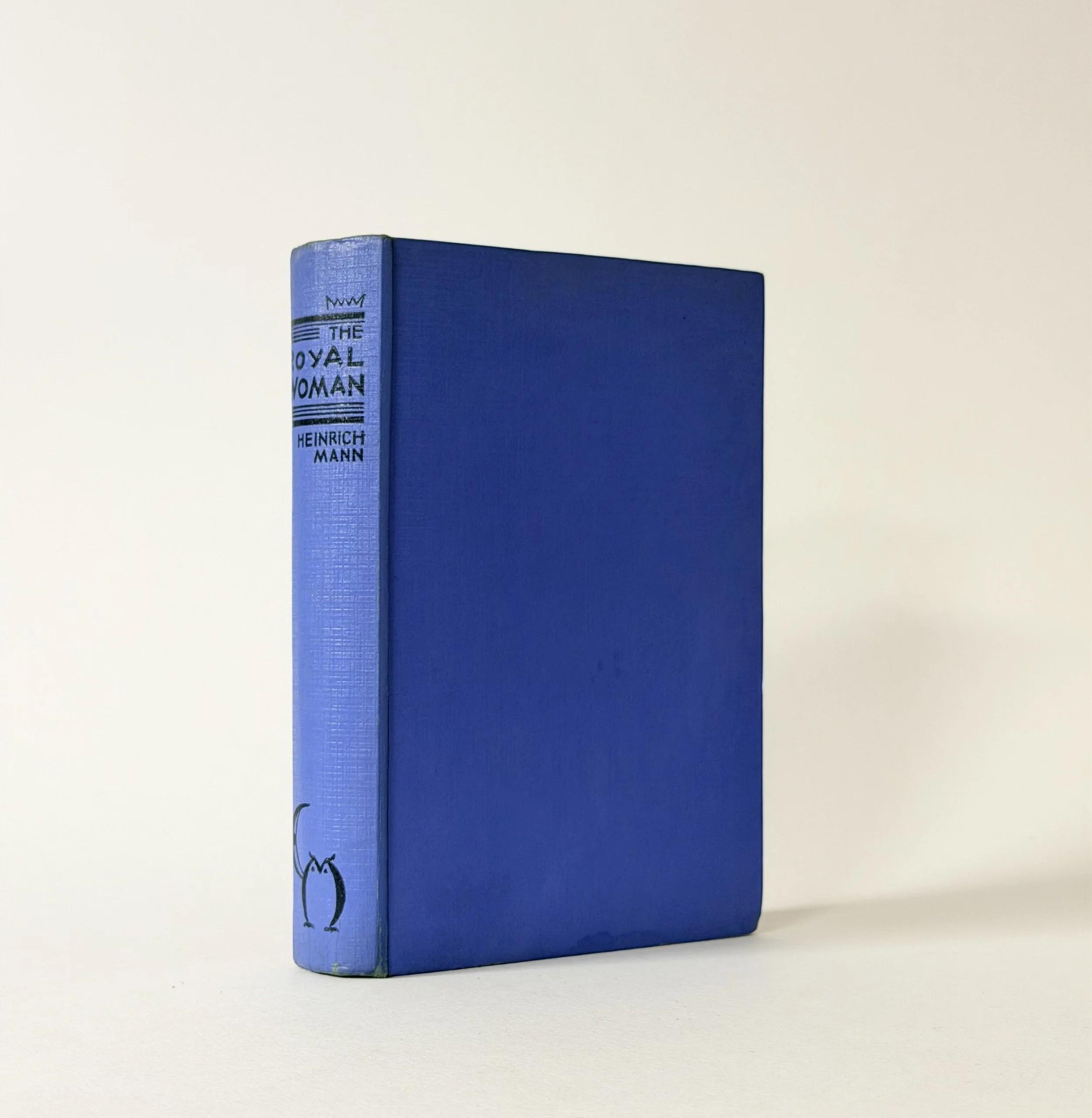 Image 3 of 5
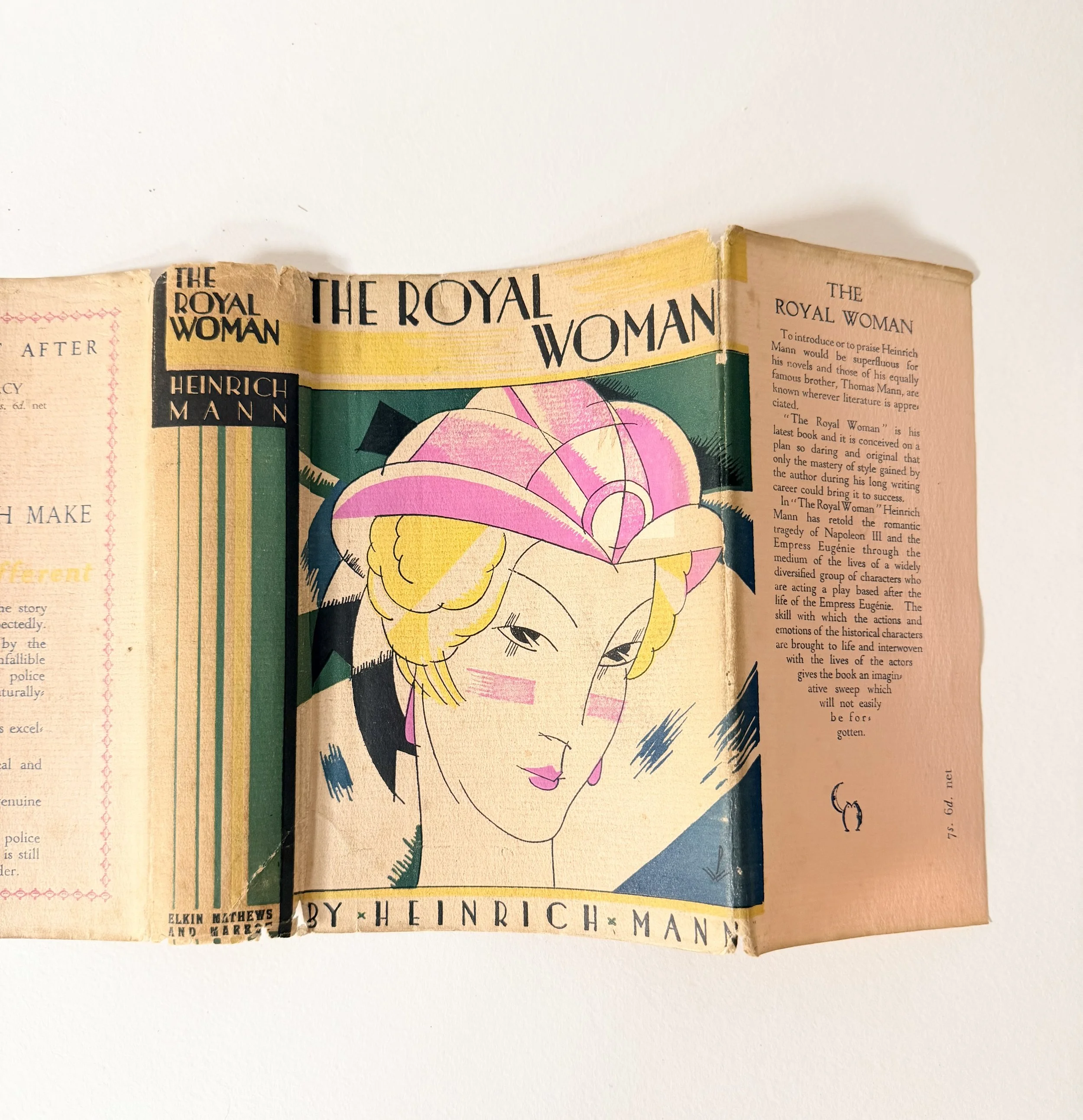 Image 4 of 5
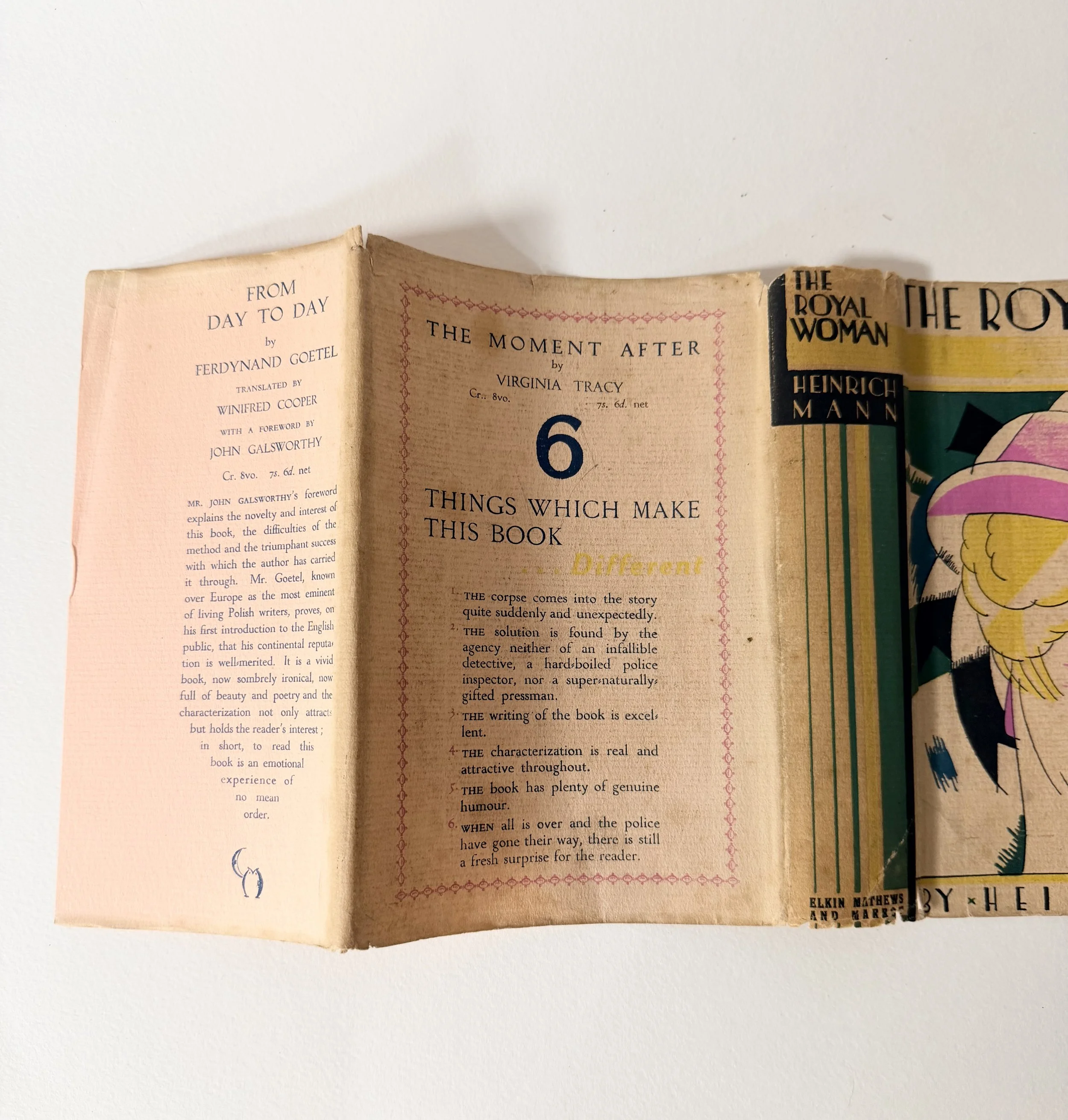 Image 5 of 5
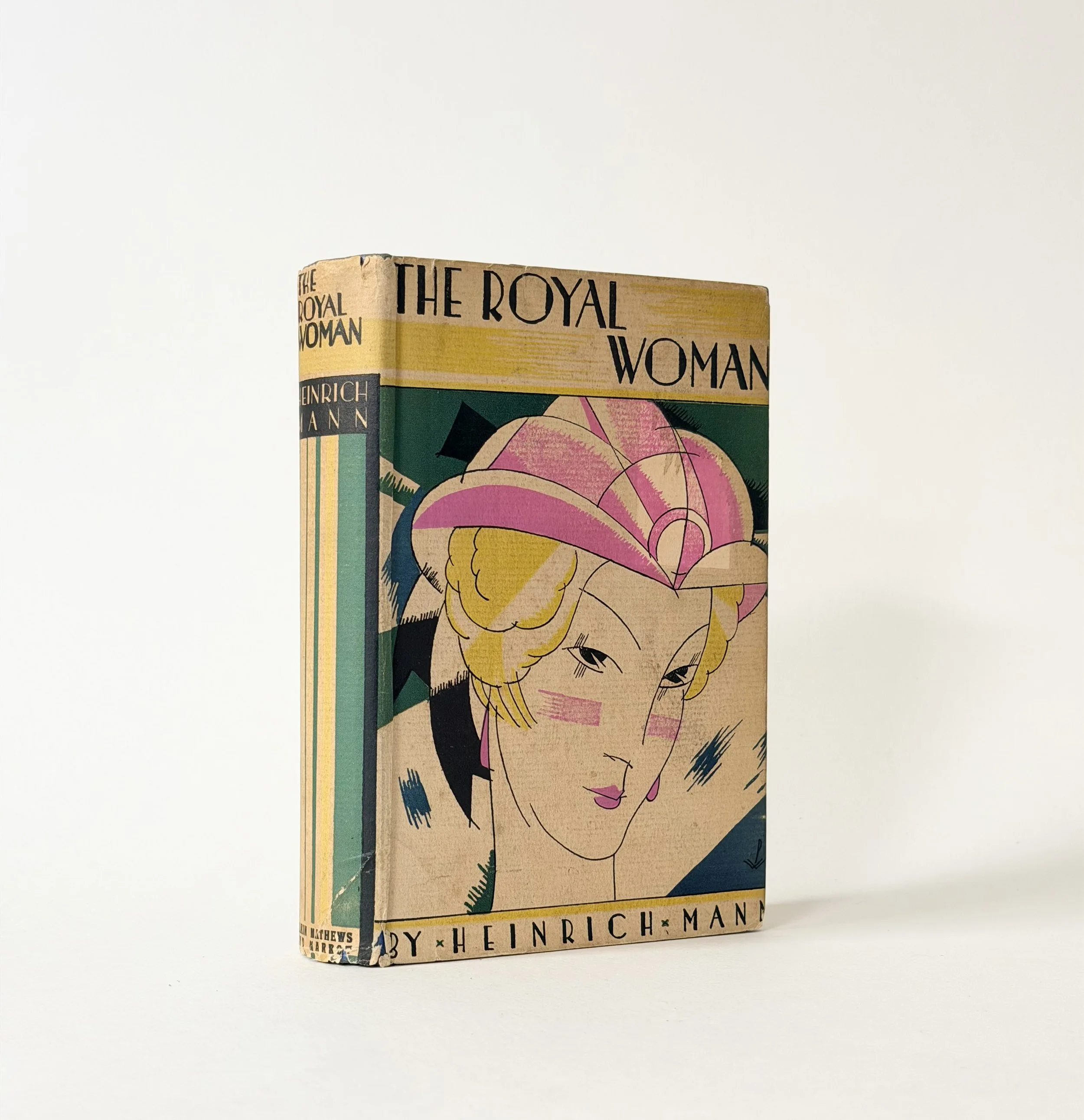
MANN, Heinrich. The Royal Woman. Translated from the German by Arthur J. Ashton. London: Elkin Mathews & Marrot. 1930. 8vo. First British edition. Publisher’s blue cloth lettered in black to the spine, in the exceptional art deco dust jacket designed by Paul Wenck. A very good or better copy, the boards with some tiny stains to front board bottom edge, a trifle bumped at extremities. The binding tight and gently rolled, with a few faint spots to the textblock edges and small handful to prelims, the endpapers with light offsetting, else clean throughout. The dust jacket unclipped (7s 6d net), with a few short closed tears and tiny chips to spine head, tail and at corners. A charming example.
Originally published in Germany under the title ‘Eugénie’, Heinrich Mann’s later novel is a retelling of ‘the romantic tragedy of Napoleon III and the Empress Eugénie through the medium of the lives of a widely diversified group of characters who are acting a play based on the life of Empress Eugénie’. It begins with a game of croquet on a summer day in 1837, and ends with a prescient final line: learn to endure. This might well be an augur of Heinrich’s own life at the time; he was slowly but surely being eclipsed in literary circles by his younger brother, Thomas, the pair undergoing a decades-long public feud with philosophical, political and indeed literary blows exchanged via novels, essays, and reviews. Perhaps more alarmingly, the growing threat of Nazism infringed on his socialist ideals. Heinrich went into exile in 1932 and spent much of the 30s in Nice, France, before further exile after the German occupation of France, to Santa Monica, USA, where he lived with his brother and other family members, the brothers finally finding harmony between one another.
The dust jacket designer, Paul Wenck, was born in Berlin and provided various dust jacket designs for the German Exilliteratur. Wenck expertly depicts the Eugénie Hat, popularised by her in the mid-nineteenth century and re-popularised—and indeed immortalised—by Greta Garbo in the film Romance (1932) in her screen depiction of Eugénie. A signal of Wenck’s mastery of the medium, both the British and American editions opt for the same jacket design. Uncommon in jacket.
MANN, Heinrich. The Royal Woman. Translated from the German by Arthur J. Ashton. London: Elkin Mathews & Marrot. 1930. 8vo. First British edition. Publisher’s blue cloth lettered in black to the spine, in the exceptional art deco dust jacket designed by Paul Wenck. A very good or better copy, the boards with some tiny stains to front board bottom edge, a trifle bumped at extremities. The binding tight and gently rolled, with a few faint spots to the textblock edges and small handful to prelims, the endpapers with light offsetting, else clean throughout. The dust jacket unclipped (7s 6d net), with a few short closed tears and tiny chips to spine head, tail and at corners. A charming example.
Originally published in Germany under the title ‘Eugénie’, Heinrich Mann’s later novel is a retelling of ‘the romantic tragedy of Napoleon III and the Empress Eugénie through the medium of the lives of a widely diversified group of characters who are acting a play based on the life of Empress Eugénie’. It begins with a game of croquet on a summer day in 1837, and ends with a prescient final line: learn to endure. This might well be an augur of Heinrich’s own life at the time; he was slowly but surely being eclipsed in literary circles by his younger brother, Thomas, the pair undergoing a decades-long public feud with philosophical, political and indeed literary blows exchanged via novels, essays, and reviews. Perhaps more alarmingly, the growing threat of Nazism infringed on his socialist ideals. Heinrich went into exile in 1932 and spent much of the 30s in Nice, France, before further exile after the German occupation of France, to Santa Monica, USA, where he lived with his brother and other family members, the brothers finally finding harmony between one another.
The dust jacket designer, Paul Wenck, was born in Berlin and provided various dust jacket designs for the German Exilliteratur. Wenck expertly depicts the Eugénie Hat, popularised by her in the mid-nineteenth century and re-popularised—and indeed immortalised—by Greta Garbo in the film Romance (1932) in her screen depiction of Eugénie. A signal of Wenck’s mastery of the medium, both the British and American editions opt for the same jacket design. Uncommon in jacket.